



Browser-based H5 games have become more sophisticated, but many publishers still rely on the same advertising formats they used years ago. While banner ads and interstitials remain common, they often struggle to balance monetization with player experience. As competition for player attention increases, many H5 game websites are looking for better ways to grow revenue without pushing players away.
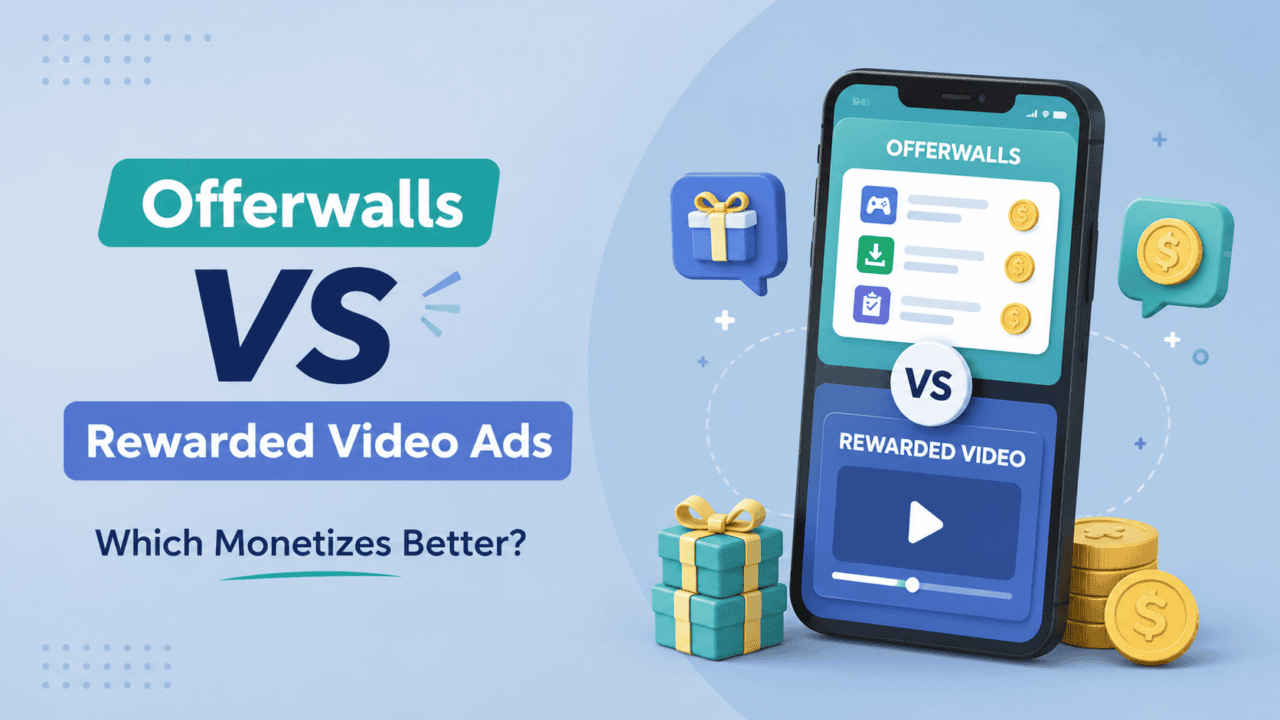
One solution gaining momentum is web rewarded ads for H5 game websites. By allowing players to voluntarily watch an ad in exchange for an in-game benefit, rewarded ads create value for everyone involved. Players receive meaningful rewards, advertisers gain highly engaged viewers, and publishers benefit from stronger revenue and longer sessions.
This guide explores why rewarded ads are becoming a key monetization strategy for browser games, seven proven ways to increase player LTV, implementation best practices, and the common mistakes publishers should avoid.
Table of Contents
Why rewarded ads are becoming essential for H5 game websites
Traditional banner and interstitial ads no longer provide the best balance between monetization and player experience for H5 games.
Why banner ads are becoming less effective
Banner ads remain useful for generating consistent impressions, but they rarely encourage meaningful interaction in browser games. Many players naturally ignore fixed ad placements after only a few sessions, a behavior commonly known as banner blindness. As engagement declines, advertisers place lower bids, making it increasingly difficult for publishers to maximize revenue through banners alone.
Banner placements can also compete for valuable screen space. On smaller devices, they may reduce the visible game area or distract players from gameplay, resulting in a less immersive experience.
Why interstitial ads reduce player retention
Interstitial ads generally produce higher CPMs than display banners, but they often appear at moments that interrupt gameplay. A full-screen advertisement shown immediately after a player loses or between levels can break momentum and increase frustration, particularly in casual games where sessions are short and frequent.
For H5 game websites that depend on repeat plays and longer sessions, excessive interstitials can reduce retention and increase abandonment instead of improving long-term monetization.
How rewarded ads create a better value exchange
Rewarded ads solve this problem by giving players control over when they want to watch an advertisement. Instead of forcing an interruption, publishers offer an optional reward such as an extra life, bonus coins, or temporary power-ups after a player chooses to watch a short video.
This voluntary model produces several benefits at the same time. Advertisers gain exceptionally high viewability and completion rates, publishers access premium video demand with higher CPMs, and players continue progressing without feeling that advertising is interrupting the game. Because rewarded ads extend gameplay and encourage repeat interactions, they also contribute directly to higher player Lifetime Value (LTV).
7 ways web rewarded ads increase player LTV
Rewarded ads perform best when they appear at moments that naturally help players continue enjoying the game. Rather than interrupting gameplay, they support player progression while creating additional monetization opportunities. Choosing the right reward trigger is often more important than simply increasing the number of rewarded ads shown.
1. Let players continue after Game Over
The Game Over screen is widely considered the highest-performing placement for rewarded ads because it appears when players are most motivated to keep playing. Instead of forcing them to restart from the beginning, offer the option to watch a short video in exchange for an extra life or a chance to continue from their current progress.
This approach creates a clear value exchange. Players avoid losing their progress, while publishers generate premium video impressions at one of the highest opt-in moments in the game. It works especially well for endless runners, arcade games, action games, and other titles where players invest time in achieving high scores.
2. Double daily rewards
Daily login rewards encourage players to return regularly, but rewarded ads can make these incentives even more effective. After claiming the standard reward, players can choose to watch a video to double or even triple their coins, gems, stars, or experience points.
Because participation is optional, players feel they are earning additional value rather than being required to watch advertising. At the same time, publishers increase video impressions without disrupting gameplay, creating a steady source of recurring revenue from loyal users.
3. Unlock hints or skip difficult levels
Puzzle, strategy, and casual games often lose players when a level becomes too difficult or frustrating. Instead of allowing users to quit, rewarded ads can offer a helpful alternative by unlocking a hint, revealing part of the solution, or allowing players to skip the current stage.
This strategy reduces frustration while preserving the overall challenge of the game. Since players receive assistance only when they actively request it, the reward feels meaningful without weakening game progression. It also keeps players engaged longer, increasing both session duration and the likelihood of returning for another play session.
4. Offer temporary premium content
Not every reward needs to be permanent. Many successful H5 game websites use rewarded ads to provide temporary access to premium skins, special characters, exclusive vehicles, or powerful equipment for a limited period.
Temporary rewards allow players to experience premium content without permanently changing the game’s economy. They also introduce users to cosmetic or premium features that they may continue using in future sessions, increasing overall engagement while maintaining balanced progression.
5. Speed up player progression
Waiting for energy to refill or slowly collecting resources can reduce player motivation, especially in casual games designed around short sessions. Rewarded ads can solve this by offering optional progression boosts, such as additional energy, temporary XP multipliers, faster cooldowns, or resource bonuses.
The key is moderation. Rewards should help players maintain momentum without making normal progression feel unnecessary. A balanced system keeps gameplay satisfying while giving players another reason to voluntarily engage with rewarded ads.
6. Reward longer play sessions
Rewarded ads can also encourage players to stay in the game for longer periods. Instead of rewarding only individual actions, publishers can offer bonuses after players complete multiple levels, reach a playtime milestone, or achieve a specific objective during a session.
These milestone rewards create additional goals beyond the core gameplay loop. Players are motivated to continue playing just a little longer, increasing session depth and creating more opportunities for future ad impressions without introducing unnecessary interruptions.
7. Recover players before they leave
Not every player exits immediately after losing. Some pause the game, hesitate at the menu, or prepare to close the browser tab. These moments provide another opportunity to re-engage players through rewarded ads.
For example, an optional reward on the pause screen could provide bonus coins before exiting, while an exit-intent prompt might offer a temporary boost or exclusive reward for completing one final challenge. Used carefully, these placements can recover sessions that would otherwise end, improving both retention and overall player LTV.
Best practices for implementing rewarded ads on H5 game websites
A successful rewarded ad strategy depends on both technical implementation and a balanced player experience.
Choose the right monetization partner
The quality of your demand sources directly affects rewarded ad performance. A monetization partner with access to premium advertisers and strong video demand can increase fill rates, improve CPMs, and deliver more relevant ads to players across different regions and devices.
Beyond demand quality, publishers should also consider reporting capabilities, integration support, and optimization tools. Monitoring metrics such as completion rate, viewability, and player engagement helps ensure rewarded ads continue to perform over time rather than becoming a one-time optimization.
As your H5 game portfolio grows, regularly reviewing rewarded ad performance becomes an important part of your monetization strategy. PubFuture helps publishers optimize rewarded ad inventory, increase competition across demand sources, and develop a monetization approach that supports both higher revenue and a better player experience.
Looking to maximize revenue from your H5 game website? Create a free PubFuture account to receive a personalized monetization review.
Pause gameplay and resume seamlessly
Rewarded ads should never leave players wondering whether their progress has been lost. Before displaying a rewarded video, pause the game state correctly, including animations, timers, background audio, and ongoing gameplay events. Once the advertisement finishes, players should return to exactly where they left off without noticeable delays or unexpected changes.
A seamless transition makes rewarded ads feel like part of the game experience rather than an interruption, increasing the likelihood that players will continue accepting future reward opportunities.
Balance reward value with the game economy
Rewards should feel valuable enough to encourage participation but not so generous that they replace normal gameplay. If players can obtain premium resources too easily through rewarded ads, progression may become unbalanced and long-term engagement can decline.
Instead, focus on rewards that remove temporary friction or provide short-term advantages, such as additional energy, bonus coins, or limited-time boosts. This approach maintains a healthy game economy while keeping rewarded ads attractive throughout the player lifecycle.
Verify rewards before granting them
Players expect rewards immediately after completing a video. To prevent errors or abuse, reward delivery should always be verified through a reliable callback or server-side validation process before granting in-game items.
Accurate reward verification protects advertisers from invalid traffic, reduces support issues, and builds player trust by ensuring every completed rewarded ad consistently delivers the promised benefit.
▶ Read more: Header Bidding for H5 Game Publishers
Rewarded ads vs traditional ad formats
Different ad formats serve different purposes, and most successful H5 game websites use a combination of them. However, rewarded ads often deliver the strongest long-term value because they align monetization with player intent instead of interrupting gameplay.
| Metric | Banner Ads | Interstitial Ads | Rewarded Ads |
|---|---|---|---|
| User initiation | Automatic | Automatic | Player initiated |
| Average eCPM | Low | Medium | High |
| Viewability | Medium | High | Very high |
| Video completion | Low | Medium | Very high |
| Impact on retention | Neutral | Often negative | Often positive |
| Impact on session duration | Minimal | Can reduce sessions | Can increase sessions |
| User experience | Passive | Interruptive | Value exchange |
Banner ads remain useful for generating consistent impressions during gameplay, particularly on pages with high traffic volumes. They are easy to implement and provide stable baseline revenue, but they generally contribute less to player engagement and often produce lower CPMs than video-based formats.
Interstitial ads can generate stronger revenue on a per-impression basis, especially between levels or during natural breaks. However, if shown too frequently or at the wrong moment, they can interrupt gameplay, shorten sessions, and increase player abandonment.
Rewarded ads offer a different approach by allowing players to decide when to engage with advertising. Because users voluntarily watch the video in exchange for a meaningful in-game reward, advertisers benefit from higher completion rates while publishers gain access to premium demand and stronger monetization opportunities.
For most H5 game websites, rewarded ads should complement rather than completely replace other formats. Banner ads can continue generating passive revenue throughout gameplay, while rewarded ads provide high-value monetization at key player decision points. This balanced strategy helps maximize revenue without sacrificing the overall gaming experience.
Common mistakes that reduce rewarded ad performance
Even well-designed rewarded ads can underperform if they interrupt gameplay or weaken the game’s reward system.
Making rewarded ads mandatory
Rewarded ads should always remain optional. When players are forced to watch a video to continue playing, the experience becomes similar to an interstitial ad and loses the sense of choice that makes rewarded advertising effective.
Giving players the freedom to accept or decline a reward creates a more positive experience and typically results in higher long-term engagement.
Showing rewarded ads too frequently
More rewarded ads do not always lead to more revenue. If every action triggers another reward opportunity, players may begin ignoring offers or feel overwhelmed by constant advertising.
Instead, place rewarded ads only at meaningful moments where players naturally expect assistance or additional benefits. Quality placements consistently outperform excessive frequency.
Offering rewards that are too generous
Rewards should motivate players without replacing normal gameplay progression. Unlimited premium currency, powerful permanent items, or excessive progression boosts can damage the game’s economy and reduce long-term retention.
A better approach is to provide temporary advantages or moderate bonuses that enhance gameplay without removing the incentive to continue playing.
Failing to deliver promised rewards consistently
Nothing damages player trust faster than completing a rewarded video without receiving the promised reward. Technical issues, failed callbacks, or delayed reward delivery can quickly discourage players from watching future ads.
Regular testing, reliable reward verification, and continuous monitoring help ensure every completed rewarded ad delivers exactly what the player expects, protecting both user satisfaction and monetization performance.
How to measure rewarded ad success
Tracking the right metrics helps publishers understand whether rewarded ads are improving both revenue and player experience. Rather than focusing on impressions alone, successful H5 game websites evaluate how rewarded ads influence player behavior throughout the entire gaming session.
Opt-in rate
Opt-in rate measures the percentage of players who choose to watch a rewarded ad when the opportunity is presented. A high opt-in rate usually indicates that the reward is valuable and appears at an appropriate moment in the game.
If opt-in rates begin to decline, review whether rewards remain attractive or whether rewarded ads are appearing too frequently. Small adjustments to placement or reward value can often produce significant improvements.
Video completion rate
Completion rate shows how many players finish watching the rewarded video after choosing to start it. Since rewards are granted only after the advertisement is completed, maintaining a high completion rate is essential for maximizing revenue.
Low completion rates may indicate slow-loading creatives, irrelevant advertisements, or technical issues that interrupt playback before completion.
Average session duration
One of the biggest advantages of rewarded ads is their ability to extend gameplay. Compare average session duration before and after implementing rewarded ads to determine whether players are spending more time in your games.
Longer sessions typically create additional monetization opportunities through both rewarded ads and other advertising formats, while also increasing the likelihood that players will return in future sessions.
Player lifetime value (LTV)
Player LTV is one of the most important indicators of long-term monetization success. Rather than measuring revenue from a single visit, LTV reflects the total value a player generates throughout their relationship with your H5 game website.
If rewarded ads successfully improve retention, session frequency, and overall engagement, LTV should gradually increase over time. Monitoring this metric alongside player retention provides a clearer picture of whether your monetization strategy is supporting sustainable growth.
Revenue per daily active user (DAU)
Revenue per Daily Active User (DAU) helps publishers evaluate how effectively active players are being monetized each day. Unlike total ad revenue, this metric accounts for changes in audience size, making it easier to compare monetization performance over different periods.
A steady increase in revenue per DAU often indicates that rewarded ads are creating additional value without negatively affecting player engagement or retention.

Rewarded ads have become one of the most effective monetization strategies for browser-based games because they align publisher revenue with player experience. By offering valuable rewards at the right moments, web rewarded ads for H5 game websites can increase player engagement, extend session duration, improve retention, and ultimately grow player LTV without disrupting gameplay.
As your H5 game website evolves, rewarded ad performance should be reviewed regularly alongside player behavior and overall monetization results. If you’re looking to optimize rewarded ad placements or develop a stronger monetization strategy for your game portfolio, the PubFuture team can help identify new revenue opportunities and recommend solutions tailored to your website.
Fill out our contact form to learn how smarter monetization can unlock greater long-term value for your H5 games.