

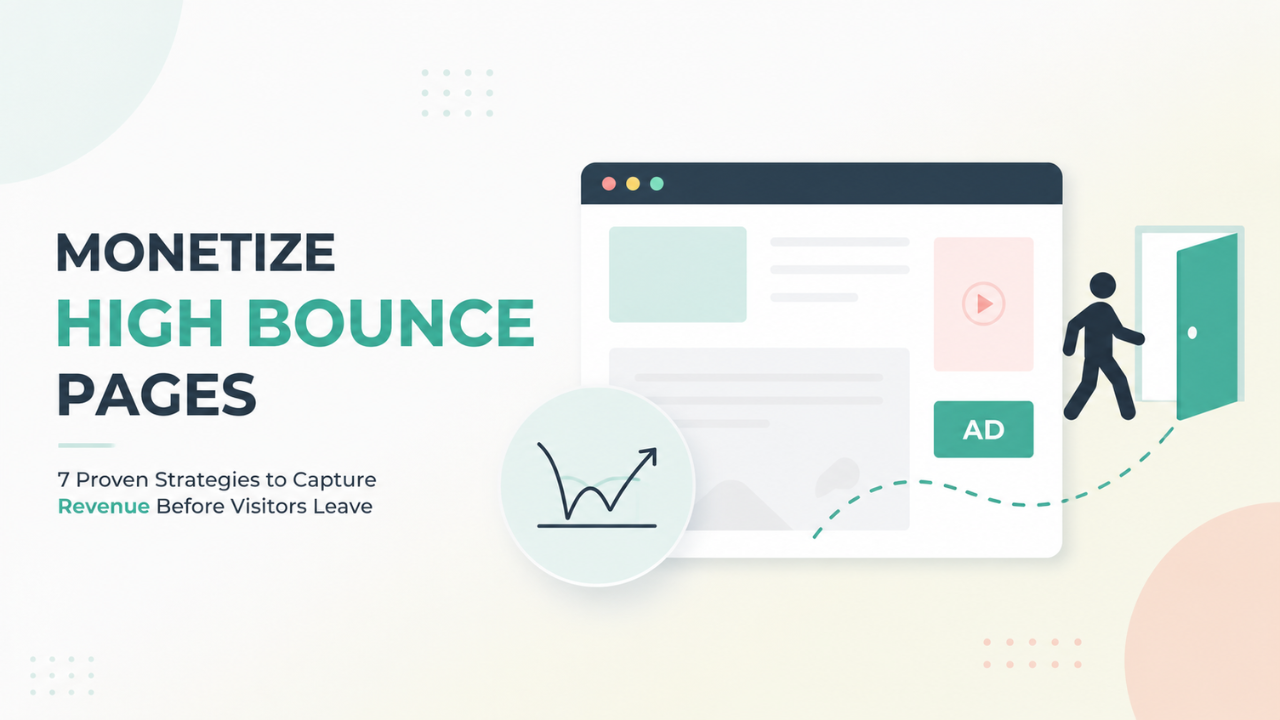
High bounce rates are often seen as a sign that a webpage is underperforming. However, for many publishers, especially those relying on search traffic, a high bounce rate is completely normal. Visitors arrive with a specific question, find the answer quickly, and leave without exploring other pages. While this behavior can limit engagement metrics, it does not have to limit revenue.
The challenge is that many traditional advertising strategies are designed for longer browsing sessions. Ads placed deep within the content or loaded several seconds after the page appears may never become viewable before visitors leave. As a result, publishers lose valuable monetization opportunities despite having consistent traffic.
Learning how to monetize high bounce rate pages requires a different approach. Instead of encouraging users to click through multiple pages, publishers should focus on maximizing the value of every single visit. This guide explains how to optimize ad placements, improve viewability, and increase page RPM without compromising the user experience.
Table of Contents
Understanding high bounce rate traffic
Why high bounce rates are often normal
A high bounce rate is not always a sign of poor content quality. Many informational pages naturally attract visitors looking for a quick answer. Tutorials, definitions, calculators, troubleshooting guides, and FAQ pages often satisfy user intent within a single session.
For example, someone searching for a simple conversion formula or a coding error solution may spend less than a minute on the page before returning to search results. Although analytics classify this as a bounce, the visit has successfully fulfilled its purpose.
This behavior is particularly common for publishers whose traffic comes primarily from Google Search, where search intent is highly specific and immediate.
Why publishers lose revenue on single-page visits
Most display advertising strategies assume readers will continue scrolling, open additional articles, or remain on the website for several minutes. Under those assumptions, publishers often place premium ad units further down the page or rely on refresh cycles that require longer sessions.
Single-page visitors rarely stay long enough for those opportunities to generate value. If ads load too slowly or appear after the reader has already found the answer, impressions may never become viewable.
For high-bounce pages, revenue depends less on the number of pageviews and more on how quickly quality ad inventory becomes visible.
Why bounce rate isn’t the only metric that matters
Bounce rate should always be evaluated alongside engagement metrics such as average engagement time, scroll depth, and page RPM.
A page with an 85% bounce rate may still generate excellent revenue if visitors spend enough time reading the content while highly viewable ad placements remain on screen. On the other hand, a lower bounce rate does not automatically translate into better monetization if users quickly move between pages without interacting with valuable inventory.
Rather than trying to reduce bounce rate at all costs, publishers should focus on maximizing the revenue generated during each session.
Core principles for monetizing single-page visits
High bounce rate pages require a different monetization approach. Instead of relying on long sessions or multiple pageviews, publishers should focus on making every impression count from the moment a visitor arrives. The following principles help maximize revenue without disrupting the reading experience.
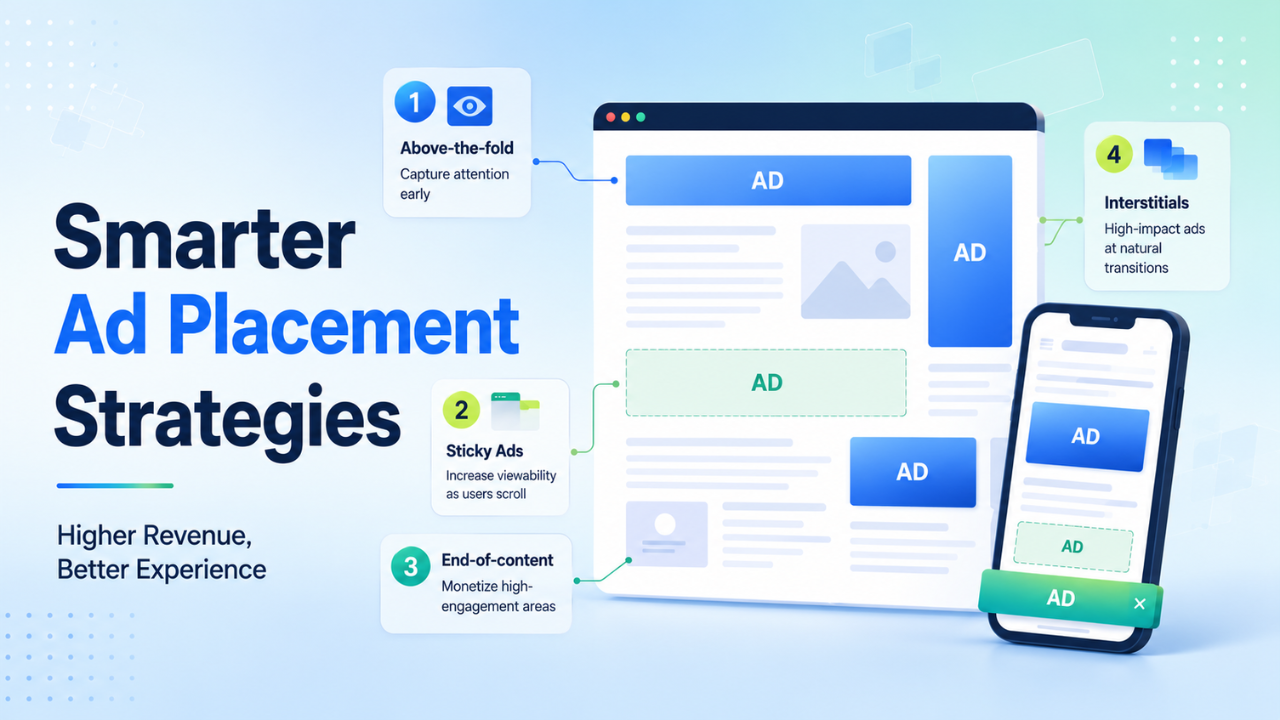
Prioritize above-the-fold viewability
The first few seconds of a visit are often the most valuable. If a visitor finds the information they need and leaves quickly, only ad units that appear immediately have a realistic chance of generating a viewable impression.
Reserve premium inventory near the top of the page and ensure ads load quickly without causing layout shifts. Above-the-fold placements consistently deliver stronger viewability, making them especially valuable for search-driven landing pages.
Keep ads visible while users scroll
Many visitors continue scrolling even if they only plan to read a single article. Sticky ad formats help maintain visibility throughout that journey, increasing the likelihood that impressions meet viewability standards.
For mobile traffic, bottom anchor ads often provide the best balance between revenue and user experience. On desktop, sticky sidebars can remain visible without interrupting the reading flow, particularly on longer articles.
Match native ads with reader intent
Native recommendation units perform best when they align with the reason a visitor came to the page. Someone reading a troubleshooting guide, for example, is more likely to engage with related tutorials than with unrelated promotional content.
Position native units immediately after the main answer or key takeaway. At that point, readers have completed their primary task and are naturally deciding what to explore next, making relevant recommendations more effective.
Reduce ad latency to capture every impression
Speed is critical for single-page visit monetization. Even high-quality ad placements lose value if they appear after the visitor has already left the page.
Publishers should optimize header bidding timeouts, minimize unnecessary ad scripts, and lazy load only inventory that is unlikely to be viewed immediately. The goal is to deliver above-the-fold impressions in well under two seconds while keeping the overall page responsive.
Platforms like PubFuture help publishers optimize ad delivery by connecting premium demand with continuous performance optimization, making it easier to improve page RPM while maintaining a fast user experience.
Create a free PubFuture account to receive a personalized monetization review and discover new opportunities to maximize your website’s ad revenue.
Limit ad density on high bounce rate pages
More ads do not always generate more revenue. On pages where visitors spend only a short time, displaying too many ad units can distract readers, slow page loading, and reduce overall viewability.
Instead of filling every available space, prioritize one or two high-performing placements above the fold, combined with a sticky format that remains visible during scrolling. A cleaner layout often delivers better user engagement and stronger page RPM over the long term.
Best ad formats for high bounce rate pages
Not every ad format performs well on pages where visitors stay for only a few seconds. The most effective units are those that become viewable immediately, remain visible during scrolling, and complement the reading experience instead of interrupting it.
Mobile sticky anchor ads
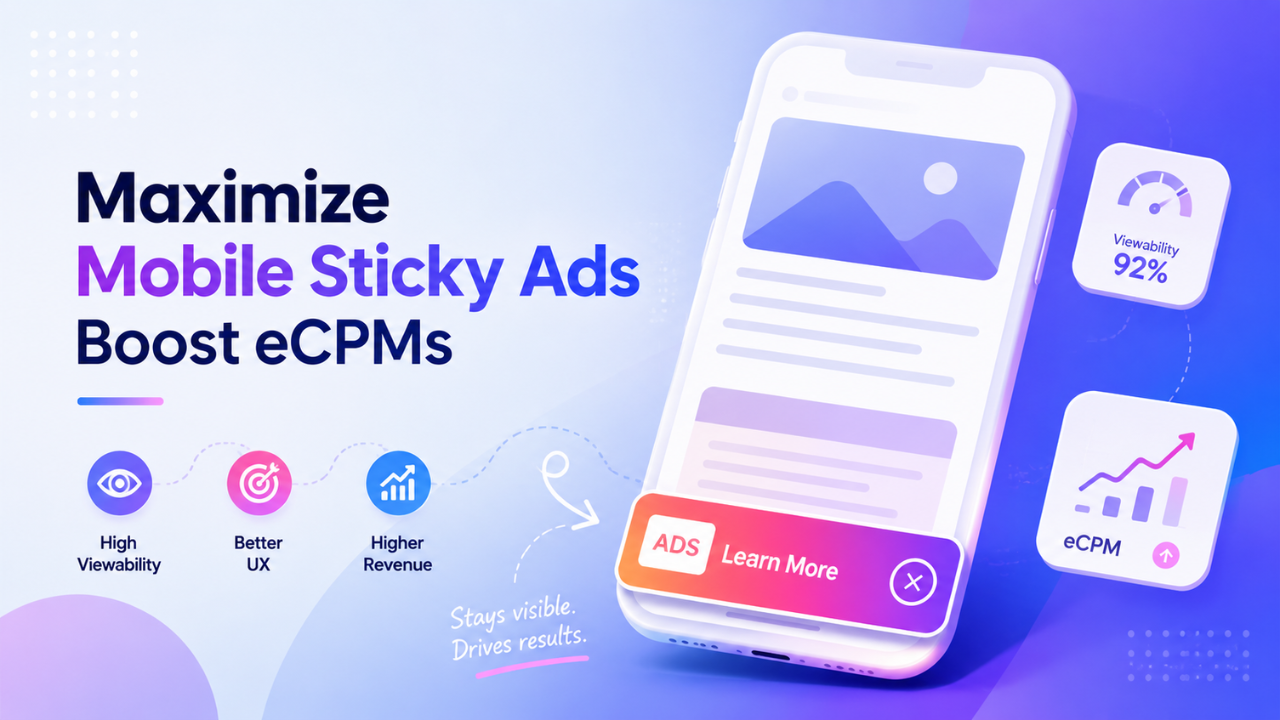
Mobile sticky anchor ads are one of the most effective formats for high bounce rate ad optimization because they remain fixed at the bottom of the screen while users scroll. Unlike traditional display banners that disappear after a few swipes, anchor ads continue to generate viewable impressions throughout the session.
They work particularly well for search-driven traffic, where visitors often skim an article before leaving. Since mobile devices account for a significant share of organic traffic, improving viewability on smaller screens can have a noticeable impact on page RPM.
To maintain a positive user experience, keep the anchor size compliant with industry standards and ensure it does not cover important page content or navigation elements.
In-content native recommendation units
Native recommendation units blend naturally with editorial content, making them an excellent choice for single-page sessions. Instead of competing for attention, they extend the reader’s journey by suggesting relevant articles or resources.
The most effective placement is immediately below the main answer or key insight. Once readers have found the information they were searching for, they are more open to discovering related content, increasing both click-through rates and session depth.
When possible, recommend articles that address the next logical question rather than unrelated topics. Relevance improves both engagement and monetization.
Desktop sticky sidebars
Desktop visitors often spend more time reading long-form content, making sticky sidebars a valuable source of highly viewable impressions. As the article scrolls, the ad remains visible without interfering with the content itself.
Publishers can further improve performance by enabling smart refresh based on viewability rather than using aggressive time-based refresh intervals. Refreshing only when an ad has remained viewable for a meaningful period helps maintain inventory quality while increasing total impressions.
Sticky sidebars are particularly effective on guides, tutorials, and resource pages where readers scroll steadily through longer articles.
Exit-intent or transition interstitials
Exit-intent and transition interstitials capture one final monetization opportunity before a visitor leaves the page. Because they appear at the end of a session, they often achieve strong visibility and can deliver higher eCPMs than standard display formats.
However, these formats should be used selectively. Triggering interstitials only during natural transitions, such as navigating to another page or returning to search results, helps preserve the user experience and reduces frustration.
When implemented responsibly, interstitials can complement existing ad placements without becoming intrusive.
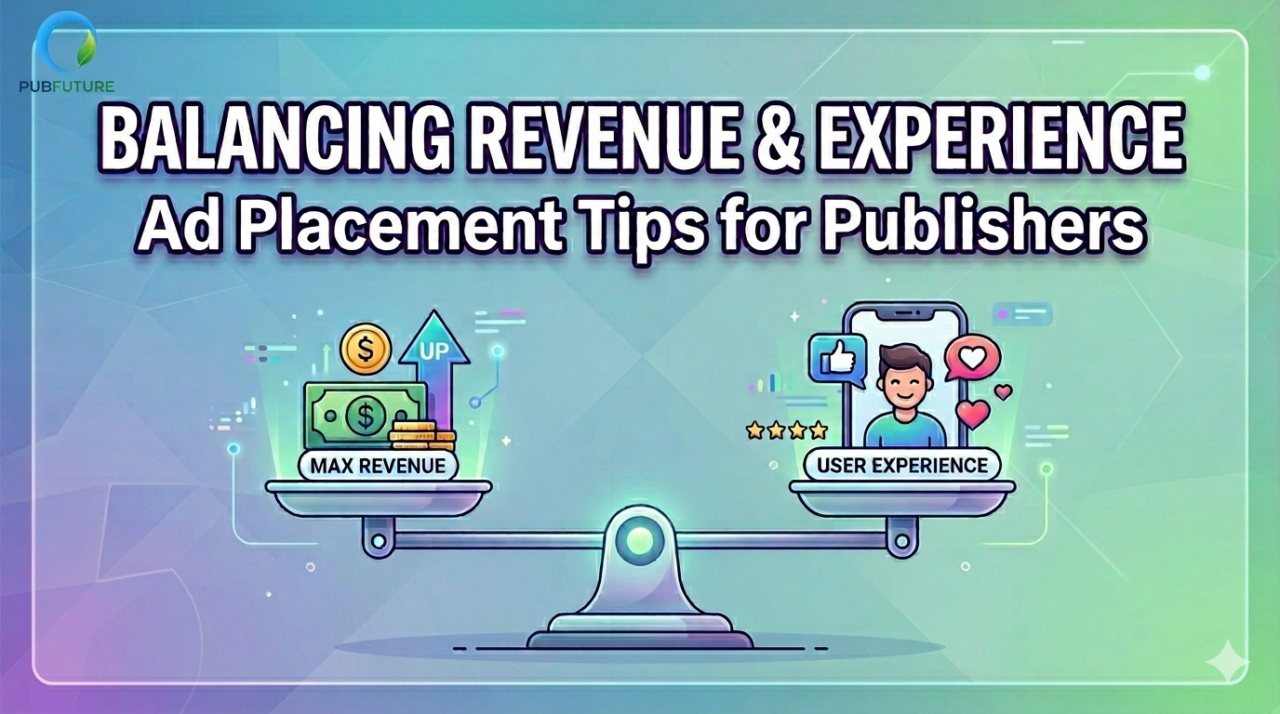
▶ Read more: Balancing Revenue and Experience: Ad Placement Tips for Publishers
Step-by-step optimization plan
Improving revenue from high bounce rate pages does not require a complete website redesign. In most cases, small adjustments to ad placement, loading behavior, and content structure can significantly increase viewability and page RPM.
Audit landing pages in Google Analytics 4
Start by identifying the pages that receive the most organic traffic while also showing high bounce rates. In Google Analytics 4, review metrics such as landing page traffic, engagement time, scroll depth, and revenue per page.
Rather than treating every high bounce rate as a problem, focus on pages that combine strong traffic with meaningful reading time. These pages often have the greatest monetization potential because visitors stay long enough to see ads, even if they leave after viewing a single page.
Reserve ad space to prevent layout shifts
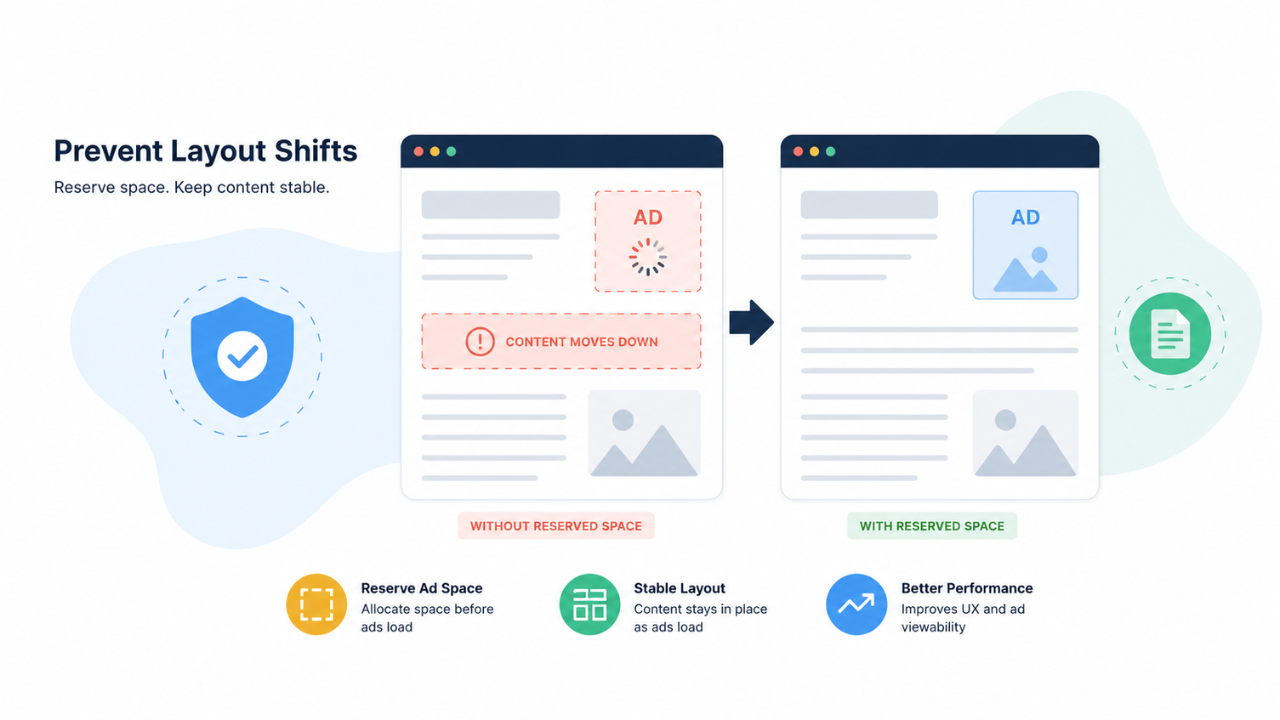
Unexpected layout shifts create a poor user experience and can reduce ad viewability. When ads load after the content has already rendered, users may accidentally click the wrong element or lose their place while reading.
Reserve fixed-height containers for above-the-fold placements so ad slots appear smoothly without moving surrounding content. This approach improves visual stability, supports better Core Web Vitals performance, and helps the first impression become viewable as quickly as possible.
Position ads around reader intent
The placement of content can be just as important as the placement of ads. Visitors usually arrive with a specific question, scan the page for the answer, and then decide whether to continue reading or leave.
Instead of placing all premium inventory at the beginning or end of the article, position native recommendation units immediately after the primary answer or key takeaway. At this point, readers are naturally looking for the next piece of information, making relevant recommendations more likely to attract attention.
Extend sessions with related content
Although the goal is to monetize every single visit, encouraging visitors to continue exploring the website creates additional revenue opportunities. Related articles, recommended guides, or automatically loaded content can increase session duration without disrupting the browsing experience.
When using infinite scroll or next-article loading, ensure that each new article is highly relevant to the reader’s original search intent. Quality recommendations are far more effective than simply displaying more content.
Publishers using monetization platforms such as PubFuture can continuously test different ad layouts, demand sources, and viewability strategies across high-bounce pages. Instead of relying on a fixed setup, ongoing optimization helps identify the combinations that generate stronger page RPM while maintaining a fast, user-friendly experience.
▶ Read more: Lazy Loading for Publishers: Faster Performance & Better UX
Choosing the right ad format
The best monetization strategy depends on how visitors interact with your content. Different ad formats perform better under different browsing behaviors, devices, and page layouts. Choosing the right combination often delivers better results than adding more ad units.
Mobile sticky anchor ads
Best for: Mobile-first publishers with high organic traffic
Mobile sticky anchor ads consistently deliver strong viewability because they remain visible while users scroll. Since many search visitors spend less than a minute on a page, keeping an ad on screen throughout the session helps maximize impression quality.
This format is particularly effective for tutorials, news articles, product reviews, and informational content where users continue scrolling after finding their answer.
Native recommendation units
Best for: Content-heavy websites focused on search traffic
Native recommendation units encourage readers to discover additional articles without interrupting the reading experience. Because they blend naturally into editorial layouts, they often generate higher engagement than traditional display banners.
Publishers should prioritize relevance over volume. Recommending closely related content increases both click-through rates and the likelihood of turning a single-page visit into a longer session.
Desktop sticky sidebars
Best for: Long-form articles and resource pages
Sticky sidebars perform well on desktop because they maintain continuous visibility while readers move through lengthy content. Combined with viewability-based refresh, they can increase total impressions without relying on aggressive refresh intervals.
This format works best when the page has sufficient horizontal space. On narrower layouts, forcing a sticky sidebar may reduce readability and create a cluttered interface.
Exit-intent or transition interstitials
Best for: High-value pages with natural navigation points
Exit-intent interstitials provide one final opportunity to generate revenue before a visitor leaves. They are most effective when triggered during a natural transition, such as returning to search results or navigating to another page.
Because these ads occupy the entire screen, moderation is essential. Limiting how frequently they appear helps preserve the user experience while still benefiting from their typically higher eCPMs.
Visual Suggestion: Comparison table infographic with five columns: Ad Format, Best Placement, Viewability, Ideal Device, and Primary Benefit. Use a clean, flat design with simple icons representing each ad format.
Common mistakes that reduce revenue
Even publishers with substantial search traffic can miss valuable monetization opportunities by making a few common implementation mistakes. Avoiding these issues often improves revenue without increasing the number of ads on the page.
Overloading the top of the page
Placing multiple banners above the content may seem like a way to increase impressions, but it often has the opposite effect. Too many ads delay content visibility, overwhelm visitors, and encourage them to leave before meaningful impressions are recorded.
Prioritize one or two high-quality placements instead of stacking several low-performing units.
Slow header bidding and ad serving
High bounce rate pages leave little room for delays. If header bidding auctions or ad server responses take several seconds to complete, visitors may leave before ads finish rendering.
Regularly review bidder performance, remove consistently slow demand partners, and optimize timeout settings to ensure ads appear as quickly as possible.
Ignoring mobile layouts
Most publishers receive the majority of their search traffic from mobile devices, yet many optimization decisions are still based primarily on desktop layouts.
Test ad placements on different screen sizes, monitor Core Web Vitals, and confirm that ads remain viewable without covering navigation or disrupting content.
Causing layout shifts (CLS)
Unexpected layout shifts create a frustrating experience and can reduce both engagement and ad performance. Ads that push content downward after the page loads make it more difficult for readers to consume information and may negatively affect search performance.
Reserve space for every major ad placement before the page finishes rendering. A stable layout improves user experience while helping ads become viewable more quickly.
Learning how to monetize high bounce rate pages is not about reducing bounce rate at any cost. Many search-driven pages naturally generate single-page sessions, but that does not mean they cannot deliver strong revenue. By improving viewability, reducing ad latency, and choosing the right ad formats, publishers can maximize page RPM while maintaining a positive user experience.
If you’re looking to improve your website’s monetization strategy, the PubFuture team can help evaluate your current setup and identify practical opportunities to increase revenue. Contact us to learn how we can help optimize your monetization strategy.