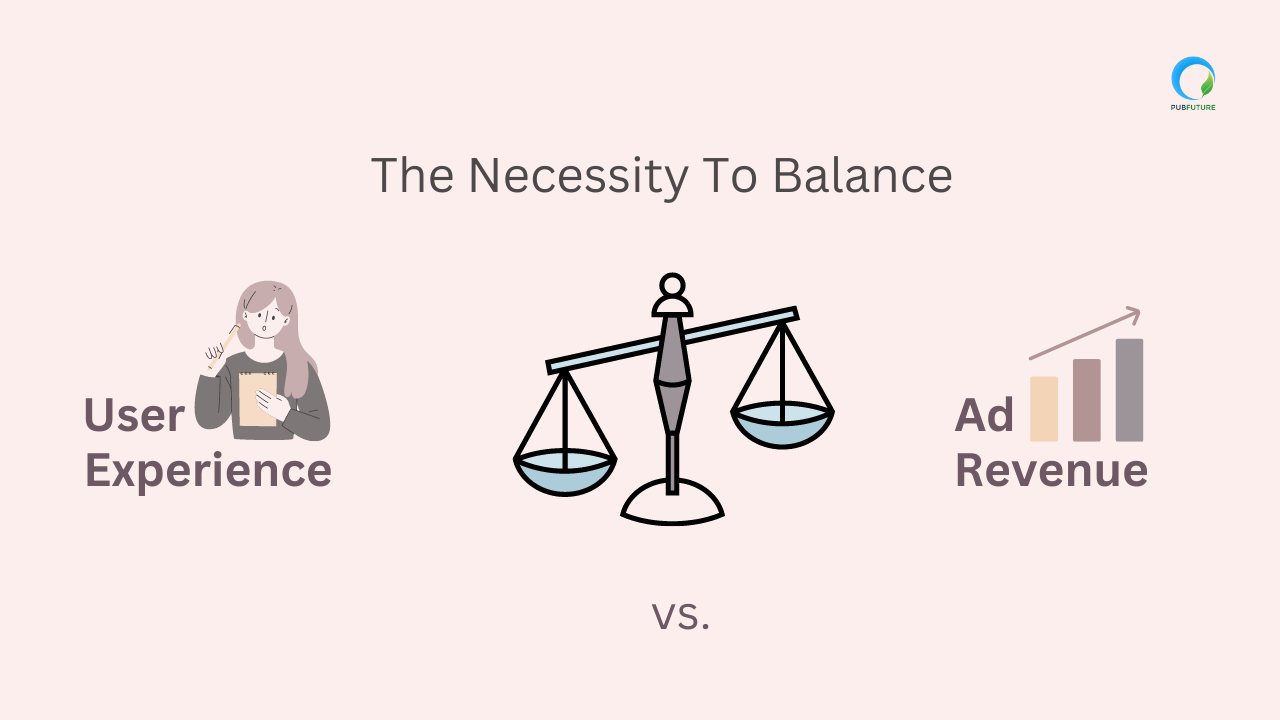




For digital publishers, monetization often feels like a balancing act. Push ads too aggressively, and you risk driving users away. Scale back too much, and you leave revenue on the table. The real challenge isn’t choosing between revenue and user experience, it’s learning how to optimize both simultaneously.
Smart ad placement strategies allow publishers to increase revenue while maintaining a clean, engaging experience. Done right, this leads to longer session durations, higher viewability, and ultimately stronger long-term earnings. Many modern monetization partners, such as Pubfuture, focus specifically on helping publishers strike this balance through optimized demand and placement strategies.
This guide breaks down practical, SEO-friendly ad placement tips to help publishers maximize both revenue and user engagement.
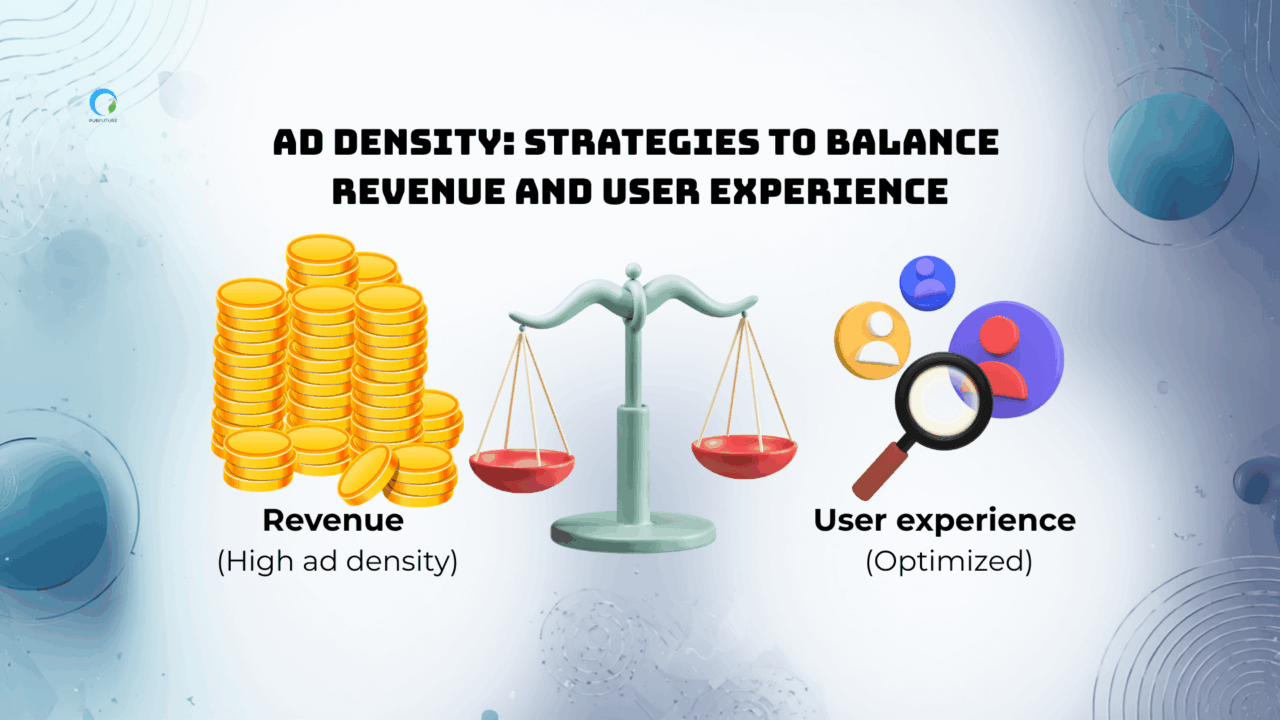
Understanding the Trade-Off
Revenue-Driven Approach
Many publishers initially prioritize revenue by increasing ad density and using high-impact formats. While this can boost short-term CPMs, it often leads to:
- Higher bounce rates
- Lower session duration
- Increased use of ad blockers
Aggressive monetization can quietly erode your audience over time.
Experience-First Approach
On the other hand, some publishers focus heavily on user experience, limiting ads to maintain a clean interface. While this improves engagement metrics, it can result in under-monetization especially if traffic volume is high.
Finding the Sweet Spot
The most successful publishers take a balanced approach:
- Align ads with user intent
- Focus on long-term user value (LTV)
- Optimize placements instead of simply adding more ads
The goal is not fewer ads, it’s better ads in smarter positions often supported by partners that bring high-quality demand without sacrificing UX.
Key Ad Placement Principles
Above-the-Fold Optimization
Above-the-fold placements are the first thing users see, making them prime real estate for visibility and revenue.
Best practices:
- Use leaderboard or banner ads that don’t overwhelm content
- Avoid stacking multiple ads in this area
- Ensure content is still immediately visible
A cluttered top section can push users away before they even start reading. Some publishers work with our to optimize this area with high-CPM demand while maintaining clean layouts.
In-Content (Native) Ads
In-content ads are among the most effective formats for both engagement and monetization. When placed correctly, they blend seamlessly into the reading experience.
Optimal placements:
- After the introduction
- Mid-article (around 30–50% scroll depth)
- Before the conclusion
Why they work:
- High visibility during active reading
- Less disruptive than pop-ups
- Strong click-through rates when well-designed
Matching the style and tone of your content is key to making these ads feel natural rather than intrusive. Advanced monetization partners, including Pubfuture, often provide native and smart feed formats that adapt to your content automatically.
Sidebar & Peripheral Ads
Sidebar ads remain valuable, particularly for desktop users.
Key tips:
- Use sticky sidebars to improve viewability
- Avoid overcrowding with multiple small units
- Prioritize high-quality, high-CPM formats
While mobile dominates traffic, desktop users often show higher engagement and conversion rates—making sidebar placements still relevant.
Sticky & Anchor Ads
Sticky ads (especially anchor ads on mobile) are highly effective due to constant visibility.
Advantages:
- High viewability rates
- Consistent impressions
- Strong CPM performance
However:
- Keep sizes minimal to avoid disrupting navigation
- Ensure easy dismissal options
When implemented thoughtfully, sticky ads can significantly boost revenue without harming user experience.
Video Ad Placement
Video ads are one of the fastest-growing revenue drivers for publishers.
Common formats:
- In-stream (within video content)
- Out-stream (embedded within articles)
Best practices:
- Place videos within content flow, not randomly
- Avoid auto-play with sound (a major UX killer)
- Use lazy loading to maintain page speed
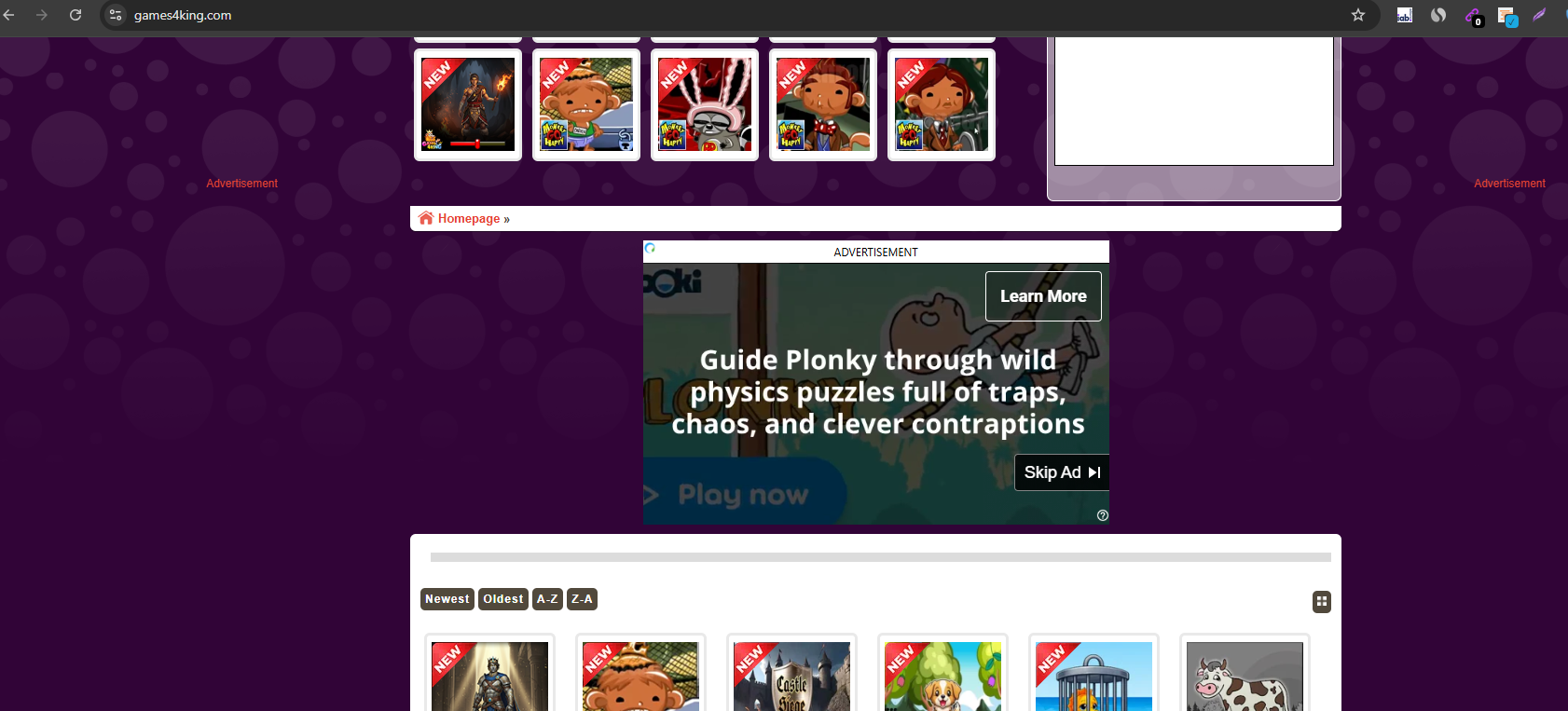
Video ads can command premium CPMs, especially when supported by strong demand sources. Many publishers today unlock additional revenue by integrating out-stream video via partners like Pubfuture, which specialize in high-performing video demand across multiple geographies.
Device-Specific Strategies
Mobile Optimization
With the majority of traffic coming from mobile devices, optimizing for smaller screens is critical.
Challenges:
- Limited screen space
- Faster scrolling behavior
- Higher sensitivity to intrusive ads
Best-performing formats:
- Sticky footer ads
- In-feed/native ads
- Lightweight video units
Focus on maintaining a smooth scrolling experience, interruptions are far more noticeable on mobile.
Desktop Strategy
Desktop layouts offer more flexibility for ad placements.
Opportunities include:
- Sidebar ads
- Multi-column layouts
- Larger display formats
Desktop users often tolerate more ads as long as they don’t interfere with readability.
Cross-Device Consistency
Users frequently switch between devices, so consistency matters.
Ensure:
- Responsive ad layouts
- Similar ad density across devices
- Cohesive user experience
A fragmented experience can weaken engagement and reduce overall performance.
User Behavior & Intent-Based Placement
Understanding how users interact with your content is essential for optimizing ad placement.
Align Ads with User Intent
Different types of content attract different user behaviors:
- Informational content: users scroll and read → ideal for in-content ads
- Transactional content: users look for action → fewer but more targeted ads
Use Engagement Data
Leverage tools like heatmaps and scroll tracking to identify:
- High-attention areas
- Drop-off points
- Natural breaks in content
Place Ads at Engagement Peaks
Instead of guessing, place ads where users are most engaged:
- After key insights
- Between sections
- At natural pauses
This improves both visibility and click-through rates without disrupting the experience.
Conclusion
Balancing revenue and user experience isn’t about compromise, it’s about strategy. The most effective publishers understand that sustainable growth comes from aligning monetization with user behavior.
By focusing on:
- Smart ad placement instead of high ad volume
- Device-specific optimization
- Seamless integration within content
You can create a monetization strategy that supports both revenue goals and user satisfaction.
Ready to Optimize Your Ad Strategy?
If you’re looking to increase your ad revenue without sacrificing user experience, now is the time to act. Start by auditing your current placements, test new strategies, and continuously refine based on real user data.
Or better yet, consider working with a partner like Pubfuture to unlock premium demand, optimize placements, and scale your revenue efficiently.
A better user experience doesn’t reduce revenue, it multiplies it over time.