



Programmatic advertising has traditionally relied on the open auction model, where every impression competes in a real-time bidding environment. While this approach provides scale, it also makes it increasingly difficult for publishers to differentiate premium inventory from the rest of the market. As more low-quality inventory enters the ecosystem, many publishers find that valuable impressions are treated as interchangeable commodities rather than premium opportunities.
This shift has accelerated interest in Curated Marketplaces for Publishers, a sell-side approach that combines premium inventory, contextual intelligence, first-party signals, and supply path optimization into curated Deal IDs that buyers can activate directly. Instead of competing solely on price, publishers can compete on quality, relevance, and measurable outcomes.
This guide explains how curated marketplaces work, why they are becoming an important part of modern programmatic monetization, and how publishers can prepare their inventory to participate in higher-margin programmatic deals.
Table of Contents
Why open auction revenue is becoming less predictable
The open auction model creates several challenges for publishers seeking sustainable programmatic revenue:
The race to commodity pricing
Open RTB was designed to maximize scale, allowing advertisers to access millions of impressions across thousands of websites. While this creates liquidity, it also means premium publishers often compete alongside low-quality domains, duplicate content, and Made-for-Advertising (MFA) websites within the same bidding environment.
As a result, buyers frequently evaluate inventory based on bid price rather than publisher quality alone. Even websites with strong editorial content, loyal audiences, and high viewability may receive CPMs that do not fully reflect the value of their inventory because they are competing in a highly commoditized marketplace.
Multiple intermediaries reduce publisher revenue
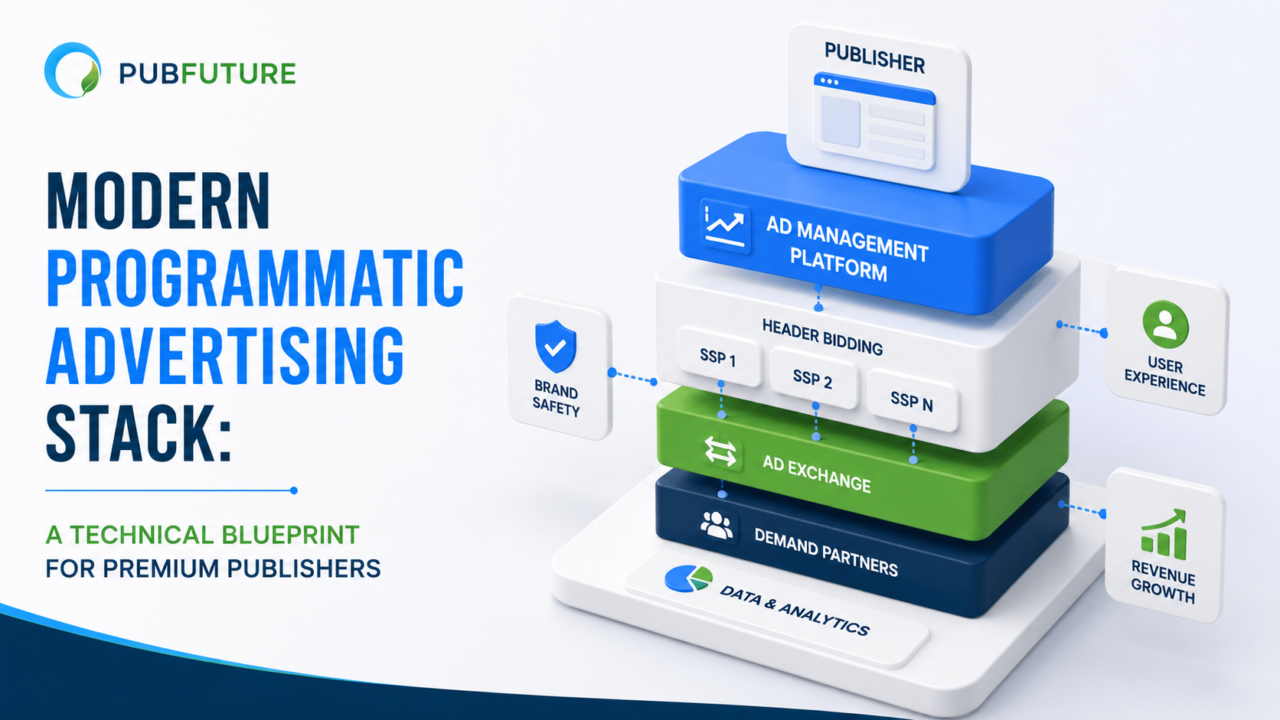
Another challenge is the complexity of the modern programmatic supply chain. A single impression may pass through multiple SSPs, DSPs, data providers, brand safety vendors, and measurement platforms before an advertiser wins the auction. Every additional participant can introduce fees, operational complexity, and signal loss.
This fragmented path reduces the percentage of advertiser spend that ultimately reaches the publisher. Even when advertisers increase their budgets, publishers do not always experience proportional revenue growth because a significant share of the spend is absorbed throughout the supply chain.
Supply Path Optimization Gives Publishers Higher Programmatic Yield
The rise of programmatic curation
To address these challenges, the industry is increasingly adopting programmatic curation, also known as sell-side curation. Instead of exposing inventory to every buyer through an open auction, publishers can make premium inventory available through curated Deal IDs that combine high-quality supply with contextual signals, first-party data, and brand safety requirements.
This approach allows agencies and advertisers to buy curated inventory packages rather than individual impressions. For publishers, it creates an opportunity to position inventory based on quality and audience relevance instead of competing solely on the lowest bid. Curated marketplaces also support a more efficient supply path, helping premium publishers attract stronger demand while improving long-term yield.
What is a curated marketplace and how does it work?
A curated marketplace combines premium inventory, data, and targeting signals into a single Deal ID that buyers can activate more efficiently:
How sell-side curation works
A curated marketplace sits between the supply and demand sides of the programmatic ecosystem. Instead of allowing every impression to compete in the open auction, a curator selects inventory that meets specific quality, audience, and brand safety requirements before making it available to advertisers.
The curator may combine inventory from multiple publishers with contextual categories, first-party audience segments, attention metrics, or other targeting signals. Buyers can then access these curated packages through their preferred DSP without negotiating individual deals with every publisher.
How a curated Deal ID is created
The process begins when publishers make their inventory available through one or more SSPs or a Prebid setup. Rather than exposing this inventory directly to every buyer, the curator evaluates available supply based on factors such as content quality, audience relevance, viewability, contextual classification, and campaign objectives.
Once qualified inventory is grouped together, the curator generates a unique Deal ID representing that package. Instead of buying individual impressions, advertisers purchase access to the curated Deal ID, giving them confidence that every impression meets predefined quality standards.
A typical curated buying workflow
A typical curated marketplace transaction follows a straightforward process:
- Step 1: Publishers expose eligible inventory through their SSPs or header bidding stack.
- Step 2: The curator enriches that inventory with first-party data, contextual signals, attention metrics, and brand safety filters.
- Step 3: A curated Deal ID is created for a specific audience or campaign objective.
- Step 4: Advertisers activate the Deal ID directly within their DSP and bid on premium curated inventory instead of the open exchange.
Compared with traditional open auctions, this workflow gives both buyers and publishers greater control. Advertisers gain access to verified, high-quality inventory through a simplified buying path, while publishers can package their inventory around value rather than competing solely on price.
Why more publishers are joining curated marketplaces
Curated marketplaces offer several advantages over traditional open auction selling:
Higher CPMs through premium inventory packaging
One of the biggest advantages of curated marketplaces is the ability to sell inventory based on quality instead of volume. Rather than competing with millions of impressions in an open auction, publishers can position premium content as part of carefully selected inventory packages that meet specific advertiser requirements.
Because these packages include additional value such as contextual relevance, audience quality, and brand safety, advertisers are often willing to pay significantly higher CPMs. While pricing varies by market and campaign, curated deals commonly outperform open auction revenue because buyers are purchasing qualified inventory instead of commodity impressions.
A shorter supply path with lower ad tech costs
Traditional programmatic transactions often involve multiple intermediaries before an impression reaches the winning advertiser. Each additional platform introduces operational complexity and may reduce the percentage of advertiser spend that ultimately reaches the publisher.
Curated marketplaces support a more efficient supply path by reducing unnecessary hops between buyers and sellers. This aligns closely with Supply Path Optimization (SPO), allowing advertisers to purchase premium inventory through fewer intermediaries while helping publishers retain more of the campaign budget.
Supply Path Optimization Gives Publishers Higher Programmatic Yield
Monetizing first-party and contextual signals
Many publishers own valuable audience data and specialized content but lack the resources to package and sell these assets directly to advertisers. Curated marketplaces help bridge this gap by combining publisher inventory with first-party signals, contextual classifications, and campaign targeting requirements.
For example, a finance publisher with highly engaged investment content may become part of a curated package targeting high-income audiences. Instead of building a direct sales operation, the publisher benefits from the curator’s ability to connect relevant inventory with buyers seeking that specific audience.
Greater protection from MFA and low-quality inventory
Premium publishers often struggle to differentiate themselves when competing against low-quality websites in the open exchange. MFA sites and other low-value inventory can place downward pressure on pricing, making it harder for quality publishers to receive fair market value.
Curated marketplaces address this issue by operating within controlled environments where inventory is selected according to predefined quality standards. Buyers gain greater confidence in where their ads appear, while legitimate publishers benefit from being grouped alongside other trusted websites instead of competing with the entire open web.
Better buyer visibility and repeat demand
Curated marketplaces also create stronger relationships between publishers and advertisers. Once buyers identify curated Deal IDs that consistently deliver strong performance, they are more likely to activate those packages across future campaigns.
This recurring demand benefits publishers in two ways. It provides a more stable source of premium programmatic revenue and reduces reliance on unpredictable open auction pricing, making long-term revenue planning easier.
Curated marketplace vs. traditional PMP vs. open auction
Each buying model serves a different purpose within programmatic advertising. Understanding how they differ helps publishers choose the right monetization strategy for different types of inventory.
| Feature | Open Auction | Traditional PMP | Curated Marketplace |
|---|---|---|---|
| Pricing model | Dynamic bidding | Fixed or floor CPM | Premium dynamic or tiered CPM |
| Buyer access | Open to all buyers | Invite-only buyers | Curated buyers through Deal IDs |
| Publisher effort | Low | High | Low to medium |
| Data enrichment | Limited | Publisher first-party data | First-party, contextual, attention signals |
| Supply path | Multiple intermediaries | Moderate | SPO-optimized |
| Inventory quality | Mixed | Premium inventory | Curated premium inventory |
The open auction remains the best option for maximizing fill rate and monetizing remnant inventory. Because every eligible buyer can participate, it provides broad demand but also exposes premium inventory to significant pricing pressure.
A traditional PMP gives publishers greater pricing control through direct relationships with selected buyers. However, building and managing multiple PMP deals often requires an experienced sales team and continuous communication with agencies and advertisers.
A curated marketplace combines many of the advantages of both models. Publishers continue to benefit from programmatic automation while allowing curators to package inventory with audience data, contextual intelligence, and quality signals. This approach reduces operational complexity and makes premium inventory easier for buyers to discover through scalable Deal IDs.
For many publishers, these models are not mutually exclusive. Open auctions can monetize unsold inventory, PMPs can support strategic direct partnerships, and curated marketplaces can unlock additional demand for premium content. Using all three together often creates a more balanced and resilient programmatic revenue strategy.
How publishers can prepare their inventory for curated deals
Publishers can improve their chances of qualifying for curated marketplaces by strengthening the quality, structure, and discoverability of their inventory:
Audit your strongest content categories
Not every page on a website delivers the same value to advertisers. Start by identifying the content categories that consistently generate strong engagement, high viewability, and quality traffic. Topics such as finance, technology, healthcare, business, or luxury travel often attract premium demand because they align with valuable advertiser audiences.
Review metrics such as page views, engagement time, viewability, and advertiser interest to determine which sections of your website are best suited for curated deals. These high-performing segments should become the foundation of your curated inventory strategy.
Work with trusted curation partners
Most publishers do not need to build their own curation technology. Instead, they can participate through SSPs and specialized curation platforms that package inventory for agencies and advertisers.
Leading solutions such as Microsoft Curate, Audigent, PubMatic Activate, OpenX, and other supply-side curation platforms help connect premium publisher inventory with buyers seeking specific audiences or contextual environments. Working with experienced partners also makes it easier to access demand that may not be available through the open auction alone.
Publishers working with monetization partners like PubFuture can also evaluate whether their existing programmatic setup is ready for curated marketplace opportunities. Reviewing supply paths, inventory quality, and demand sources before entering curated deals can improve both eligibility and long-term revenue performance.
Ready to unlock higher-value programmatic demand? Create a free PubFuture account to receive a personalized monetization review and discover new opportunities to grow your ad revenue.
Pass richer first-party and contextual signals
Curators rely on accurate signals to understand what each page represents and which advertisers are the best fit. The more structured information publishers provide, the easier it becomes for inventory to be grouped into premium Deal IDs.
Ensure your Prebid wrapper, SSP configuration, or ad server correctly passes contextual metadata, IAB Content Taxonomy categories, page keywords, and available first-party signals. Clean, consistent metadata allows curators to classify inventory more accurately and increases its attractiveness to buyers looking for specific audiences or content environments.
Package premium placements for curated campaigns
The quality of an impression depends not only on the page but also on the ad placement itself. High-viewability formats typically generate stronger advertiser interest because they deliver greater visibility and engagement.
Consider reserving premium placements such as sticky sidebars, high-impact display units, outstream video, or other highly viewable formats for curated marketplace demand. Combining premium placements with strong contextual signals creates inventory packages that are more competitive and better positioned to command higher CPMs.
Common mistakes that limit curated marketplace revenue
Even publishers with premium inventory can struggle to generate consistent results from curated marketplaces. Avoiding these common mistakes helps maximize both buyer interest and long-term revenue:
Setting unrealistic deal floors
Higher CPMs are one of the main attractions of curated marketplaces, but setting floor prices too aggressively can reduce demand instead of increasing revenue. If a Deal ID is consistently priced above what buyers consider competitive, campaigns may never reach meaningful scale.
Start with realistic pricing based on historical performance, market demand, and inventory quality. As buyer confidence and campaign performance improve, floor prices can be adjusted gradually without limiting delivery opportunities.
Missing contextual and audience signals
Curated marketplaces rely heavily on data to determine which inventory belongs in each Deal ID. Missing or inconsistent contextual information makes it more difficult for curators to understand the value of a page, reducing the likelihood that inventory will be included in premium packages.
Regularly review your taxonomy, page metadata, first-party signals, and ad server configuration to ensure important information is passed consistently. Accurate signals improve inventory classification and help buyers target the right audiences with greater confidence.
Ignoring relationships with agency buyers
Although curation automates much of the packaging and activation process, publisher relationships still matter. Agencies and advertisers often work closely with curators when deciding which publishers should be included in premium marketplace deals.
Maintaining communication with SSP account managers, agency trading teams, and monetization partners helps publishers stay informed about new opportunities and changing buyer requirements. Strong relationships can also increase the likelihood of being included in future curated Deal IDs, especially for high-value campaigns.
Curated Marketplaces for Publishers represent a significant shift in how premium inventory is bought and sold. Rather than relying solely on open auctions, publishers can package high-quality inventory with contextual intelligence and first-party signals to create differentiated Deal IDs that attract stronger advertiser demand. As supply path optimization continues to reshape programmatic advertising, curated marketplaces are becoming an increasingly effective way to improve CPMs, reduce reliance on commodity pricing, and build more sustainable revenue streams.
Preparing for this shift starts with understanding your inventory, strengthening contextual signals, and building a more efficient programmatic strategy. If you’re looking to maximize your website’s revenue, contact the PubFuture team through our contact form to discuss your monetization goals and discover new growth opportunities.