


Table of Contents
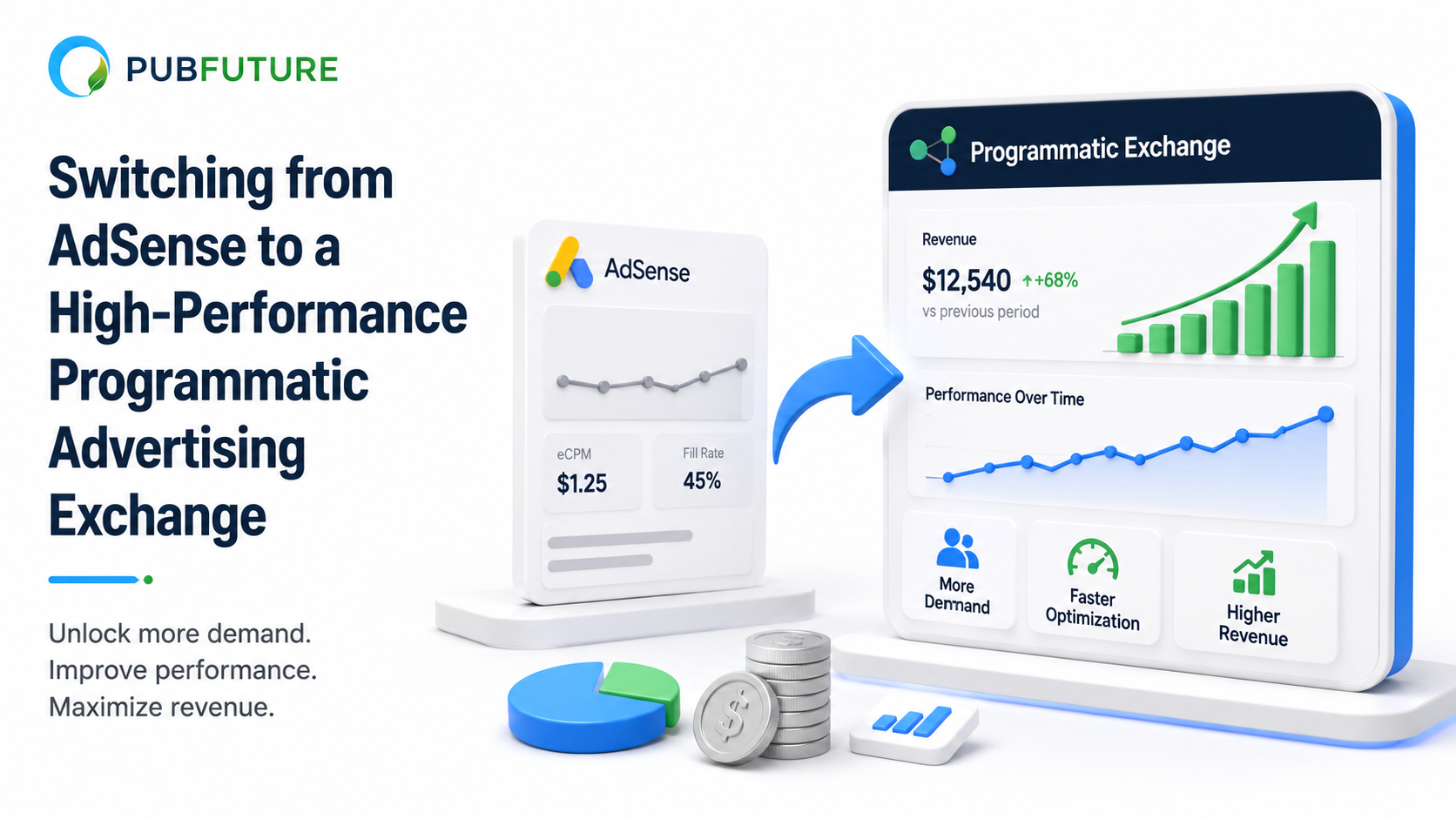
Switching from AdSense to a High-Performance Programmatic Advertising Exchange involves migrating a publisher’s ad inventory from Google AdSense, a widely used ad network, to a more sophisticated programmatic advertising exchange. This transition aims to leverage advanced technologies and algorithms for real-time bidding (RTB) and automated ad buying and selling, ultimately seeking to maximize revenue, improve ad quality, and gain greater control over ad placements and audience targeting.
High-performance programmatic exchanges typically offer publishers access to a broader range of demand sources, sophisticated yield management tools, and better data insights compared to the more standardized offering of AdSense. The decision to switch is often driven by a desire to unlock higher CPMs, optimize ad fill rates, and gain a competitive edge in the digital advertising landscape.
The digital advertising ecosystem is in constant evolution, with publishers continually seeking avenues to optimize revenue and enhance user experience. For many, Google AdSense has been a foundational element of their monetization strategy. However, as the programmatic landscape matures, the allure of high-performance programmatic advertising exchanges presents a compelling alternative for publishers looking to transcend the limitations of traditional ad networks.
This shift signifies a move towards more sophisticated, data-driven, and automated methods of selling ad space, promising greater control, higher yields, and access to a wider pool of advertisers. Transitioning from AdSense to a premium programmatic exchange is not merely a technical migration; it’s a strategic pivot towards maximizing the inherent value of digital inventory in an increasingly competitive market.
The Strategic Imperative: Unlocking Revenue Potential and Gaining Control
The primary driver for publishers considering a move from AdSense to a high-performance programmatic exchange is the substantial potential for increased revenue. While AdSense offers a user-friendly entry into programmatic advertising, its reach, while extensive, can be limited by the demand aggregated within Google’s network. High-performance exchanges, conversely, connect publishers to a vast and diverse array of demand-side platforms (DSPs) and agencies, fostering a more competitive bidding environment. This increased competition among buyers naturally drives up the value of ad impressions, leading to higher CPMs (Cost Per Mille or Cost Per Thousand Impressions).
Furthermore, programmatic exchanges often provide publishers with advanced tools for yield management, allowing them to set granular pricing floors, segment their inventory, and prioritize specific demand sources to ensure optimal monetization. This level of control is often more sophisticated than what is typically available through AdSense, enabling publishers to tailor their ad strategies to their specific audience and content. The ability to directly negotiate with premium buyers or participate in private marketplaces (PMPs) facilitated by these exchanges can also contribute significantly to revenue growth, as these channels often command higher CPMs due to their exclusivity and targeted nature.
Diversifying Demand and Capturing Premium Advertisers
High-performance programmatic exchanges offer publishers access to a significantly broader and more diverse pool of advertisers and DSPs compared to the consolidated demand within AdSense. This diversification is crucial for maximizing revenue, as it exposes inventory to a wider range of buying strategies and budgets. Publishers can connect with DSPs that specialize in different verticals, audience segments, or campaign objectives, thereby increasing the likelihood of finding the highest-value buyers for their specific ad slots. For instance, a publisher with a niche audience in finance or technology might find that specialized DSPs targeting these demographics offer significantly higher CPMs than broader demand sources. Moreover, these exchanges facilitate access to premium advertising demand.
Brands and agencies seeking to reach highly engaged or specific audiences often prefer programmatic channels that offer greater transparency, control, and targeting capabilities. By participating in premium programmatic exchanges, publishers can position themselves to attract these high-spending advertisers, who are willing to pay a premium for guaranteed access to relevant audiences. This can include direct deals with brands or participation in curated marketplaces where advertisers can bid on specific publisher inventory with confidence.
Advanced Analytics and Granular Control Over Ad Operations
Beyond revenue enhancement, a key advantage of migrating to a high-performance programmatic exchange lies in the sophisticated analytical tools and granular control it offers over ad operations. These platforms typically provide in-depth reporting and analytics dashboards that offer insights into various aspects of ad performance, including fill rates, CPMs by source, audience segmentation, and user engagement metrics. This data empowers publishers to make more informed decisions about their ad strategy, identify underperforming ad units or demand sources, and optimize their inventory for maximum profitability. Publishers can analyze which ad formats, placements, and audience segments are generating the highest revenue and adjust their strategies accordingly.
The granular control extends to managing ad quality and user experience. High-performance exchanges often offer robust tools for blocking undesirable ad categories, specific advertisers, or even particular ad creatives, helping publishers maintain brand safety and ensure a positive experience for their audience. This proactive approach to ad quality is paramount in today’s environment, where intrusive or irrelevant ads can lead to user dissatisfaction and reduced traffic. Furthermore, publishers can often implement dynamic pricing strategies and set specific demand path optimization rules, guiding their inventory towards the most profitable channels in real-time.
Navigating the Transition: Implementation, Optimization, and Future-Proofing
The decision to switch from AdSense to a high-performance programmatic advertising exchange necessitates a strategic and well-executed transition plan. This involves not only technical integration but also a thorough understanding of the new platform’s capabilities, ongoing optimization efforts to maximize performance, and a forward-looking approach to stay ahead of industry trends. A successful migration requires careful planning, collaboration with exchange partners, and a commitment to continuous learning and adaptation. Publishers must be prepared to invest time and resources into understanding the nuances of programmatic trading, including header bidding, server-to-server integrations, and the various auction dynamics at play.
Technical Integration and Header Bidding Strategies
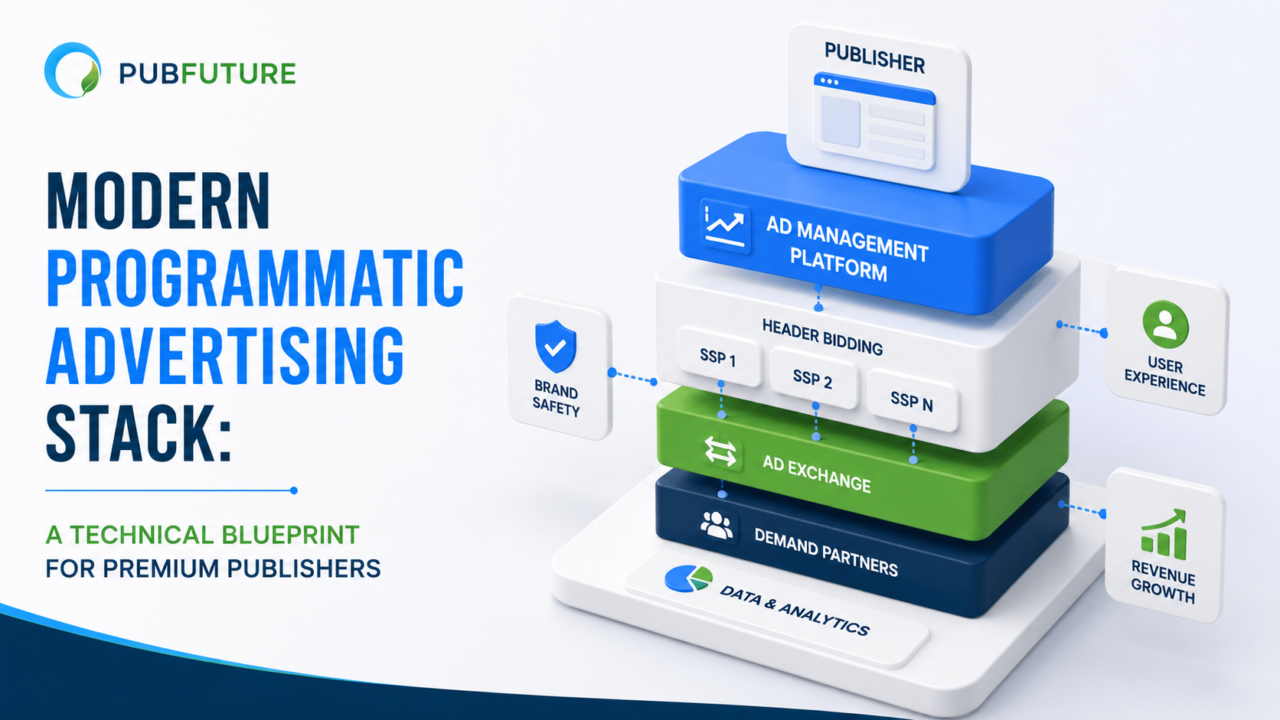
The technical implementation of migrating to a high-performance programmatic exchange often involves adopting advanced methods like header bidding. Header bidding, also known as pre-bidding, allows publishers to offer their ad inventory to multiple ad exchanges and demand sources simultaneously before making a call to their ad server. This contrasts with the traditional waterfall model often associated with AdSense, where requests are made sequentially. By using header bidding wrappers, publishers can create a unified auction, ensuring that all demand sources bid on an impression at the same time.
This competition among a wider array of buyers, including those from premium programmatic exchanges, typically leads to higher overall revenue. Publishers can choose between client-side header bidding (implemented via JavaScript in the browser) or server-side header bidding (implemented on the publisher’s server). Server-side header bidding is increasingly favored for its performance advantages, as it reduces latency and improves page load times, which is crucial for user experience and SEO rankings. The choice of header bidding technology and the selection of participating exchanges are critical decisions that directly impact the success of the migration. Partnering with reputable header bidding technology providers and carefully vetting the programmatic exchanges to integrate is essential for a smooth and effective transition.
Ongoing Optimization and Performance Monitoring
Once the transition is complete and the new programmatic exchange is integrated, continuous optimization and diligent performance monitoring are paramount to realizing the full benefits. This involves closely analyzing the data provided by the exchange, identifying trends, and making iterative adjustments to ad configurations, pricing strategies, and demand source prioritization. Publishers should regularly review metrics such as CPMs, fill rates, latency, and revenue per thousand impressions (RPM). Understanding the performance of different ad units, placements, and audience segments is key to identifying areas for improvement. For example, if a particular ad unit is consistently underperforming, publishers might experiment with different ad sizes, formats, or targeting parameters.
Similarly, if a specific demand source is not delivering competitive bids, it might be de-prioritized or removed from the auction. Moreover, staying abreast of changes in the programmatic landscape, such as new bidding technologies, privacy regulations, and advertiser preferences, is crucial for long-term success. This proactive approach to optimization ensures that the publisher’s monetization strategy remains agile and effective in a dynamic market.
Conclusion
Switching from AdSense to a high-performance programmatic advertising exchange represents a strategic evolution for publishers aiming to maximize revenue, gain greater control over their ad operations, and enhance user experience. This transition unlocks access to a broader and more competitive demand landscape, drives higher CPMs through sophisticated bidding strategies like header bidding, and provides advanced analytics for informed decision-making.
While the technical integration and ongoing optimization require diligent effort, the potential rewards in terms of increased profitability and a more robust monetization strategy are substantial. As the digital advertising industry continues its programmatic trajectory, embracing these advanced exchanges will be increasingly vital for publishers seeking to future-proof their businesses and thrive in a competitive online environment.