


Table of Contents
In the realm of programmatic advertising, understanding the balance between direct vs. indirect demand is crucial for monetization strategies. This article delves into the intricacies of these two types of demand, focusing on effective methods to achieve a well-rounded approach to managing programmatic advertising inventory.
Understanding Direct vs. Indirect Demand in Programmatic Advertising
Direct demand refers to the immediate purchasing of advertising space from the publisher by an advertiser. It involves established relationships, often resulting in guaranteed deals where both parties negotiate terms directly. This gives advertisers certainty in their campaigns while ensuring that publishers receive predictable revenue streams. In today’s programmatic landscape, direct demand plays a vital role in ensuring that high-quality inventory is utilized effectively.
On the other hand, indirect demand involves advertisers purchasing inventory through intermediaries, such as Demand-Side Platforms (DSPs) and ad exchanges. This type of demand is characterized by its flexibility, allowing advertisers to explore a broader range of inventory offerings. However, it can often lead to pricing complexities and unexpected outcomes for advertisers seeking consistent performance. Understanding both of these demand types is critical for successful ad monetization strategies.
Learn more: Prebid in Programmatic Advertising: the way to Maximum Revenue
Optimizing Programmatic Inventory: The Direct Demand Advantage
The direct demand advantage manifests in various forms of programmatic advertising strategies. By establishing clear lines of communication and agreements with advertisers, publishers can create customized ad packages that align more directly with the advertisers’ goals. This approach enables publishers to tailor their offerings, ensuring high-quality placements for specific audiences.
Moreover, the direct demand strategy not only enhances control over inventory but also allows for premium pricing. Advertisers are often willing to pay a higher rate for guaranteed inventory and preferred placements. This premium pricing can significantly elevate a publisher’s overall return on investment, making the effective management and promotion of direct demand indispensable for any programmatic advertiser.
Indirect Demand Strategies for Programmatic Advertiser Success
Engaging with indirect demand strategies allows for the expansion of an advertiser’s reach into markets and demographics that may not be exposed through direct negotiations. One significant advantage of indirect demand is access to real-time bidding environments, enabling advertisers to optimize their campaigns based on performance metrics and audience engagement. This data-driven approach fosters better decision-making in budget allocation and ad placement.
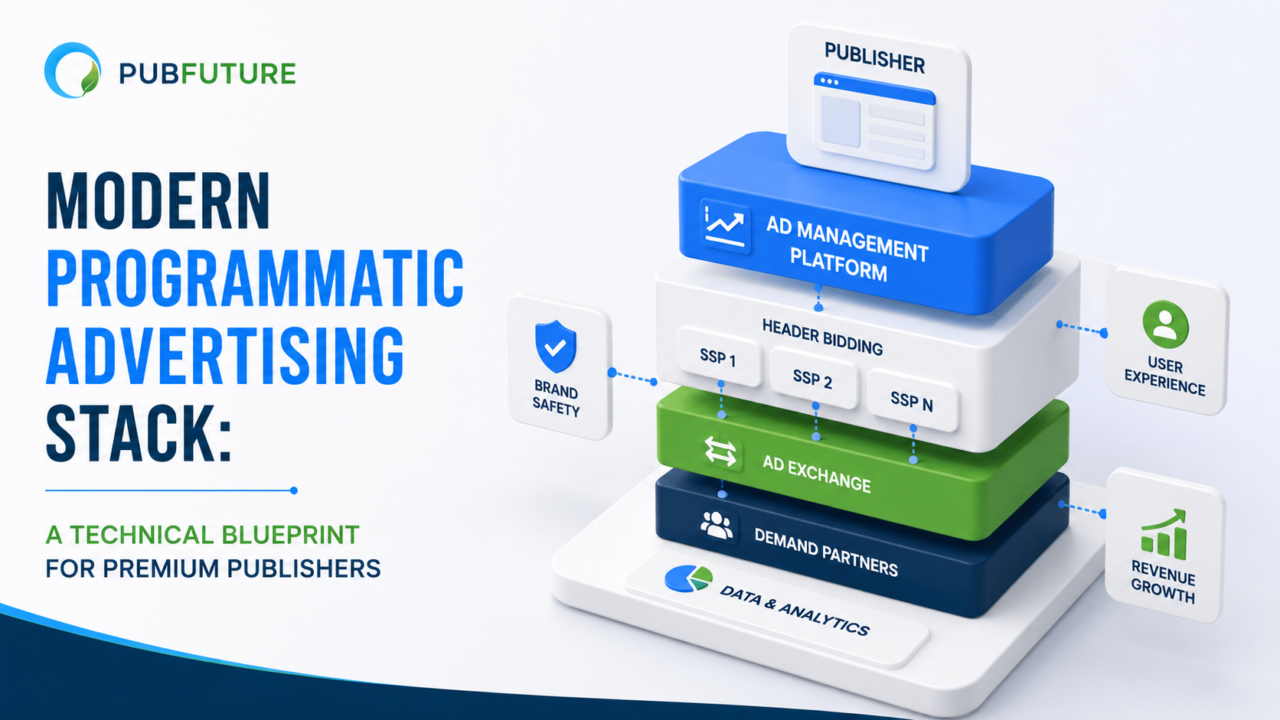
Furthermore, utilizing header bidding as part of an indirect demand strategy can create a competitive environment where multiple ad exchanges bid for inventory simultaneously. This drives prices upward and empowers advertisers by providing more purchasing options. Consequently, programmatic advertisers can maximize their ad monetization efforts through well-strategized indirect demand alignments.
Balancing Inventory: A Programmatic Advertiser’s Guide to Demand Types
In achieving optimal ad performance, a programmatic advertiser must strike a delicate balance between direct vs. indirect demand. This balance ensures that both high-value direct deals and expansive indirect opportunities coexist, ultimately enriching the overall advertising ecosystem. That said, understanding and categorizing inventory based on demand type can help streamline the selling process and maximize revenue.
To facilitate this balance, programmatic advertisers can employ advanced tools and strategies for yield management. These tools analyze traffic, audience engagement, and competitive pricing, allowing for responsive adjustments that align inventory with the most lucrative demand type at any given time. This dynamic approach can prevent underutilized inventory and enhance overall returns.
The Nuances of Direct Demand in Programmatic Advertising
Direct demand comes with its own set of nuances that programmatic advertisers must navigate effectively. The negotiated nature of direct deals often results in a more stable revenue stream, as advertisers looking for premium placements tend to have specific requirements. These nuances require publishers to be adaptable, initiating conversations with advertisers to ensure that those requisites are adequately met while still maximizing yield.
In addition, prevailing industry trends significantly impact direct demand dynamics. Factors like seasonality, evolving consumer behaviors, and emerging technologies create opportunities—and challenges—for advertisers pursuing direct demand strategies. Therefore, staying informed about these trends and leveraging them can serve as a vital advantage in securing lucrative direct deals.
Leveraging Indirect Demand to Enhance Programmatic Reach
As programmatic advertisers strategize to harness the power of indirect demand, the ability to tap into a broader array of advertising networks becomes essential. Doing so allows advertisers to diversify their traffic sources and engage with various demographic audiences who may not be reached through direct partnerships. Leveraging indirect demand through an extensive network can amplify a programmatic advertiser’s reach, ultimately enhancing brand visibility.
Moreover, when working with indirect demand, it’s important to implement a robust process for supply path optimization. This involves identifying the most efficient pathways for ad delivery that simultaneously maximize reach and minimize costs. An efficient supply path can ensure higher margins and reduced latency, thereby boosting the success of overall campaign performance across indirect channels.
Programmatic Inventory Management: A Strategic Approach to Demand Balancing
Having a strategic approach to programmatic inventory management is crucial for ensuring an optimal balance between direct and indirect demand. A clear understanding of each inventory type’s potential, including audience insights and behavioral targeting, will guide resource allocation decisions tailored to meet the demand effectively.
Furthermore, modern programmatic tools can facilitate this process through integrated analytics, allowing advertisers to track inventory performance and user engagement in real time. This synergy between analytics and inventory management means that programmatic advertisers can make informed decisions regarding when to pivot resources toward either direct or indirect demand strategies based on live data. The more strategically aligned these two demand types are, the greater the likelihood of achieving a successful overall advertising campaign.
Maximizing Value: Direct and Indirect Demand for Programmatic Advertisers
For programmatic advertisers looking to maximize their value derived from direct vs. indirect demand, a diversified approach is often necessary. Rather than relying solely on one demand type, an effective strategy integrates both, leveraging the strengths of each to enhance overall network performance. This holistic view grants advertisers a nuanced approach, optimizing their inventory and enabling comprehensive campaign strategies.
Moreover, understanding the various metrics associated with both direct and indirect demand can provide vital insights. Tracking these metrics allows for ongoing assessments of performance and campaign effectiveness, helping advertisers create a feedback loop that continually refines and improves their overall strategy. When both demand types work together, programmatic advertisers can achieve sustained revenue growth and improved market positioning.
The Interplay of Direct and Indirect Demand in Programmatic Ecosystems
The relationship between direct and indirect demand creates a rich tapestry within the programmatic advertising ecosystem. The interaction between these two demand types not only influences individual campaigns but shapes the overarching market principles governing advertising. The success of this interplay often relies on the adaptability and responsiveness of programmatic advertisers to changes in both types of demand.
Additionally, the inherent competition between direct and indirect demand can drive innovation in the marketplace. As advertisers adapt to challenges posed by changing conditions, they often pioneer techniques and methodologies that enhance both strategies and ultimately benefit the entire ecosystem. By celebrating this competitive spirit and actively engaging with both demand types, programmatic advertisers can maintain a stronghold within the dynamic advertising landscape.
Achieving Programmatic Advertising Goals Through Effective Demand Balancing
To effectively balance direct vs. indirect demand, programmatic advertisers must establish clear goals and objectives. These goals will guide the allocation of resources and lead to informed decisions about targeting strategies, budget allocation, and creative development. Achieving a successful balance mandates thoughtful consideration and planning, reminding advertisers that both demand types are essential components of a broader strategy.
Consideration of market trends, user behavior, and performance metrics will unify the direction of the programmatic advertising strategy under a common goal. This purposeful alignment can significantly enhance the effectiveness of campaigns, resulting in better user engagement, higher visibility, and ultimately, greater profitability. Consequently, keeping both direct and indirect demand in check fosters a resilient and adaptable strategy for programmatic advertisers.
Conclusion
In conclusion, the ongoing conversation surrounding direct vs. indirect demand in programmatic advertising highlights the need for a balanced, strategic approach to managing inventory. By understanding the intricacies of both demand types and diligently finding ways to harmonize them, programmatic advertisers can significantly enhance their monetization efforts and optimize yield management. The interplay of direct and indirect demand holds immense potential for growth, benefiting not only individual advertisers but the entire advertising ecosystem as well.