


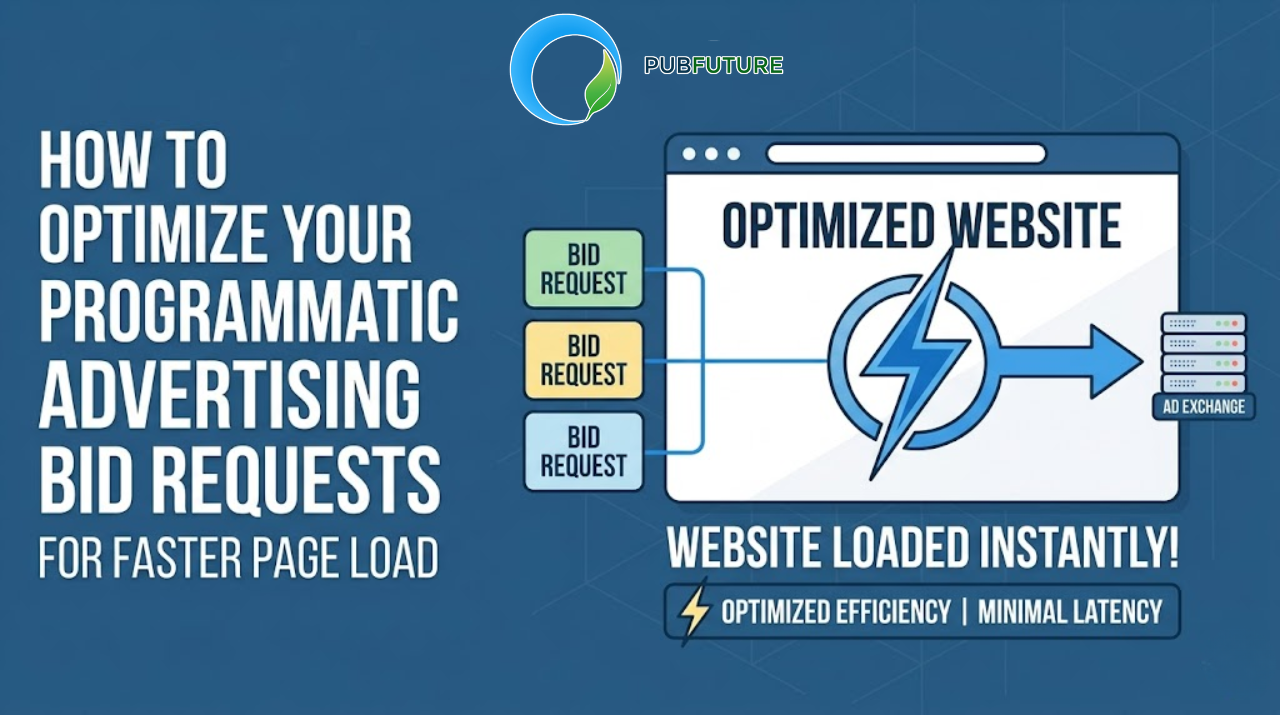
When managing websites, one of the common challenges faced by publishers and marketers is ensuring ads load quickly without compromising revenue. How to optimize your Programmatic Advertising bid requests for faster page load is crucial because slow-loading pages negatively impact user experience, SEO rankings, and ultimately, revenue. Efficient bid requests not only make your site faster but also improve the chances of winning profitable ad placements. This article explores the ins and outs of optimizing bid requests, offering practical insights that go beyond the basics for a faster, more efficient programmatic ecosystem.
Understanding Programmatic Advertising and Its Impact on Page Load Speed
What is Programmatic Advertising and Why Does It Matter?
Programmatic advertising automates the buying and selling of digital ad space in real time, allowing publishers to maximize ad revenue while offering advertisers precise targeting options. It involves dynamic bid requests sent to demand-side platforms (DSPs). While this automation is powerful, it can introduce delays if not optimized properly. Every bid request that takes too long to process can slow down page rendering, leading to higher bounce rates and decreased user engagement.
The importance lies in finding a delicate balance: delivering high-value ads without sacrificing site performance. Optimizing bid requests aids in reducing latency, which directly correlates with faster page loads and better user retention. Recognizing how your ad tech stack interacts with your website’s front-end is the first step toward improvement.
Common Challenges That Slow Down Bid Requests
Several factors contribute to slower bid requests, such as large request payloads, redundant data, or inefficient server configurations. Excessive parameters, oversized ad tags, or poorly optimized header bidding scripts can bloat request size and decrease response times. Network latency and suboptimal integration between SSPs, ad servers, and ad exchanges can compound delays, hampering user experience.
Understanding these challenges allows publishers to implement specific strategies to streamline processes, resulting in faster page loads. The key is to identify bottlenecks in the bid request lifecycle and address them systematically, ensuring quicker responses without losing access to high-quality demand.
Strategies for Optimizing Bid Requests for Faster Loading Times
Streamlining Request Payloads and Reducing Overhead
The heart of faster bid requests is minimizing data transfer without losing the critical information necessary for real-time bidding. Review your ad tags and request parameters to eliminate non-essential data. For example, unnecessary custom parameters, bulky ad creatives, or redundant info can slow request processing.
Implement a data minimization approach: only include essential details such as device type, location, and user segmentation, which are crucial for targeting but avoid overloading the request with excessive information. Simplifying payloads reduces transmission time and expedites response from DSPs, directly impacting page load speed.
Implementing Efficient Header Bidding Setup
Header bidding is often a primary source of delay in programmatic setups. To optimize this, deploy asynchronous header bidding scripts that load independently of page content, preventing blocking render times. Use a single, consolidated auction pool to reduce the number of bid requests—fewer requests mean less latency.
Additionally, choose lightweight header bidding wrappers and leverage prebid.js configurations to optimize timeout settings dynamically based on your typical response times. This ensures bids return promptly, and the process doesn’t stall overall page rendering.
Optimizing Server Response Time and Infrastructure
Technical backend improvements can significantly impact bid request speed. Hosting your ad server and SSPs on low-latency networks, close to your user base, reduces transmission delays. Caching commonly used data, such as user segments or geographic info, can lessen the need for repeated complex computations.
Investing in scalable infrastructure, such as CDN-backed servers, ensures bid responses are swift even during traffic spikes. Also, regularly monitor latency metrics and optimize server-side scripts for speed, which collectively streamlines the entire bid request workflow.
Leveraging Data and Machine Learning for smarter Bidding
Sophisticated algorithms and machine learning models can help predict high-value bids faster, narrowing the pool of real-time requests that need detailed processing. Use predictive analytics to prioritize high-likelihood bids, reducing unnecessary requests and, by extension, improving page load time.
Incorporating data-driven bidding strategies fosters smarter use of bandwidth and processing power, leading to faster responses. This approach not only accelerates load times but also enhances the relevance and quality of the ads served.
Monitoring and Measuring Bid Request Performance
Key Metrics to Track
Consistent monitoring is critical in understanding your bid request performance. Focus on metrics such as request latency, response time, fill rate, bid response time, and overall page load time. These indicators help identify problems early and measure the impact of optimizations.
High request latency often correlates with slower page loads, therefore, tracking these metrics allows real-time adjustments. Use tools like Google Chrome DevTools, Lighthouse, or specialized ad tech dashboards to gain actionable insights.
Tools and Platforms for Optimization
Several platforms facilitate tracking and optimizing bid requests—prebid.js debug tools, network analyzers, and ad server logs. Implement real-time dashboards that display key KPIs so your team can react promptly when delays occur. Additionally, consider third-party services that offer latency analysis and performance reports.
Investing in robust monitoring tools enables continuous improvement by highlighting trends, bottlenecks, and areas for further optimization.
FAQs – Common Questions on Optimizing Bid Requests for Faster Loads
Q: What is the best way to reduce bid request size to speed up page load?
Minimize request payload by removing non-essential parameters, compress data where possible, and optimize header bidding scripts to avoid unnecessary data transmission.
Q: How does header bidding affect page load times?
Header bidding can introduce delays if not optimized. Using asynchronous loading methods and reducing the number of demand partners can significantly enhance load speed.
Q: Are there specific server-side techniques to improve bid response times?
Yes, deploying servers on CDN networks, caching key data, and ensuring low-latency connections between your ad servers and demand sources can greatly accelerate response times.
Q: Can AI and machine learning improve bid request efficiency?
Absolutely. AI-driven bidding algorithms can predict high-value impressions faster, enabling quicker decision-making and reducing unnecessary requests.
Q: How do I measure if my bid request optimizations are working?
Track latency-related metrics such as response times, request durations, and page load times. Improvements in these areas indicate successful optimization.
Conclusion
Optimizing your programmatic advertising bid requests for faster page loads is essential to enhancing user experience, maximizing ad revenue, and staying competitive. By streamlining request payloads, employing asynchronous header bidding techniques, optimizing infrastructure, and leveraging data-driven insights, publishers can significantly reduce latency and improve overall site performance. Continuous monitoring and adapting strategies based on detailed analytics help maintain optimal speeds and ad relevance. As the digital landscape evolves, focusing on these technical foundations ensures your website remains fast, responsive, and profitable—delivering value to both users and advertisers alike.