



Invalid Traffic (IVT) is one of the biggest threats in programmatic ads. When a site is flagged, revenue can drop instantly, advertiser trust declines, and recovery becomes difficult without knowing what triggered the issue. This guide explains what happens during an IVT flag, why it occurs, and how publishers can fix and prevent it.
1. Understanding Invalid Traffic (IVT)
Invalid Traffic includes impressions or clicks that don’t come from real human behavior. GIVT refers to easy-to-spot nonhuman activity such as bots, crawlers, and data-center traffic. SIVT is more complex and includes botnets, click farms, spoofing, and manipulated user behavior.
Because IVT drains advertiser spend, networks use strict automated detection systems, which means even normal traffic anomalies can cause a false flag.
2. What Happens When a Site Gets Flagged?
When a detection system identifies unusual patterns—like abnormal CTR, sudden spikes, or risky geos—it automatically restricts demand. CPMs drop, fill rate falls, and reporting becomes unstable.
If the system escalates the case, compliance teams review logs, IPs, and behavior signals. They may reduce earnings, disable zones, or suspend the account. All of this often begins before the publisher even receives a notification.
3. Why Sites Get Flagged for IVT
Most IVT flags are caused by unintentional issues. Paid traffic from poor sources often introduces bots or disengaged users. Bots may also come from scrapers, malware-infected devices, or data-center IPs.
Other triggers include intrusive ad layouts that produce accidental clicks, outdated plugins, or browser extensions injecting scripts. Even legitimate traffic spikes from risky regions can look suspicious to automated systems.
4. Risks & Consequences of an IVT Flag
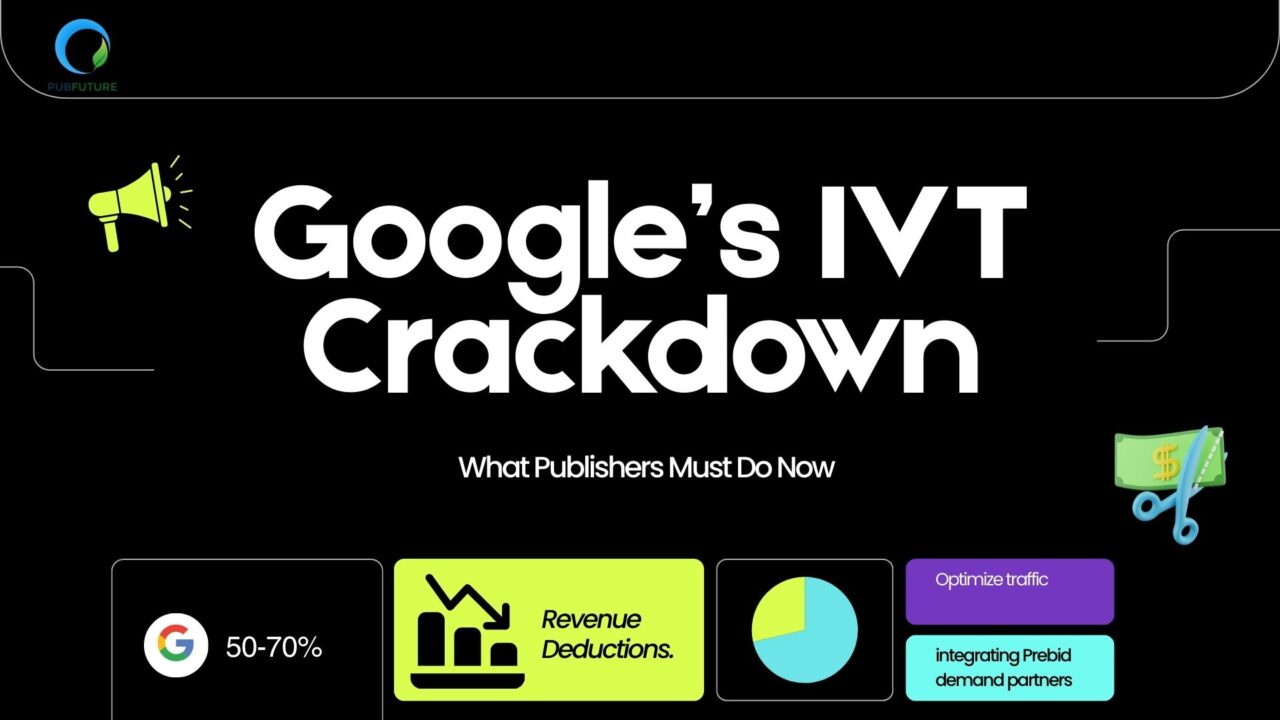
The most immediate impact is revenue loss. Ad networks often withhold or deduct earnings tied to invalid interactions. As demand falls, CPMs decline and some DSPs block your domain internally, making long-term recovery harder.
Severe or repeated violations can lead to account suspensions or permanent domain blocks across multiple networks. Once a domain loses trust, rebuilding reputation may take months.
5. How to Diagnose the Real Problem
Start by reviewing analytics for sudden spikes, unusual geos, low engagement, or abnormal CTR. Paid traffic sources should be checked closely, as they often produce IVT signals.
Next, analyze server logs for suspicious IP ranges, strange user-agents, or repeated automated behavior. Review your ad layout for placements that might encourage accidental clicks. Use tools like Cloudflare, Imperva, or network IVT dashboards to identify patterns your analytics might miss.
6. How to Recover After an IVT Flag
Begin by stopping questionable paid campaigns and blocking high-risk IPs or regions. Strengthen anti-bot protection with firewall rules, rate limits, and JS challenges.
Clean up your ad layout—remove overly intrusive units, reduce refresh rates, and space placements properly. After stabilizing traffic for several weeks, prepare a recovery report showing what you fixed and request a re-review from your ad network.
7. Long-Term IVT Prevention
Set alerts for abnormal CTR, traffic spikes, or unexpected device/geolocation changes. Fewer ad partners mean fewer conflicts and easier monitoring. Keep ads.txt and sellers.json accurate and follow IAB standards for transparency.
Most importantly, build organic traffic through SEO, social channels, and direct visits. Organic users behave more naturally, reducing IVT risk. If you buy traffic, only use reputable, fully transparent sources.