

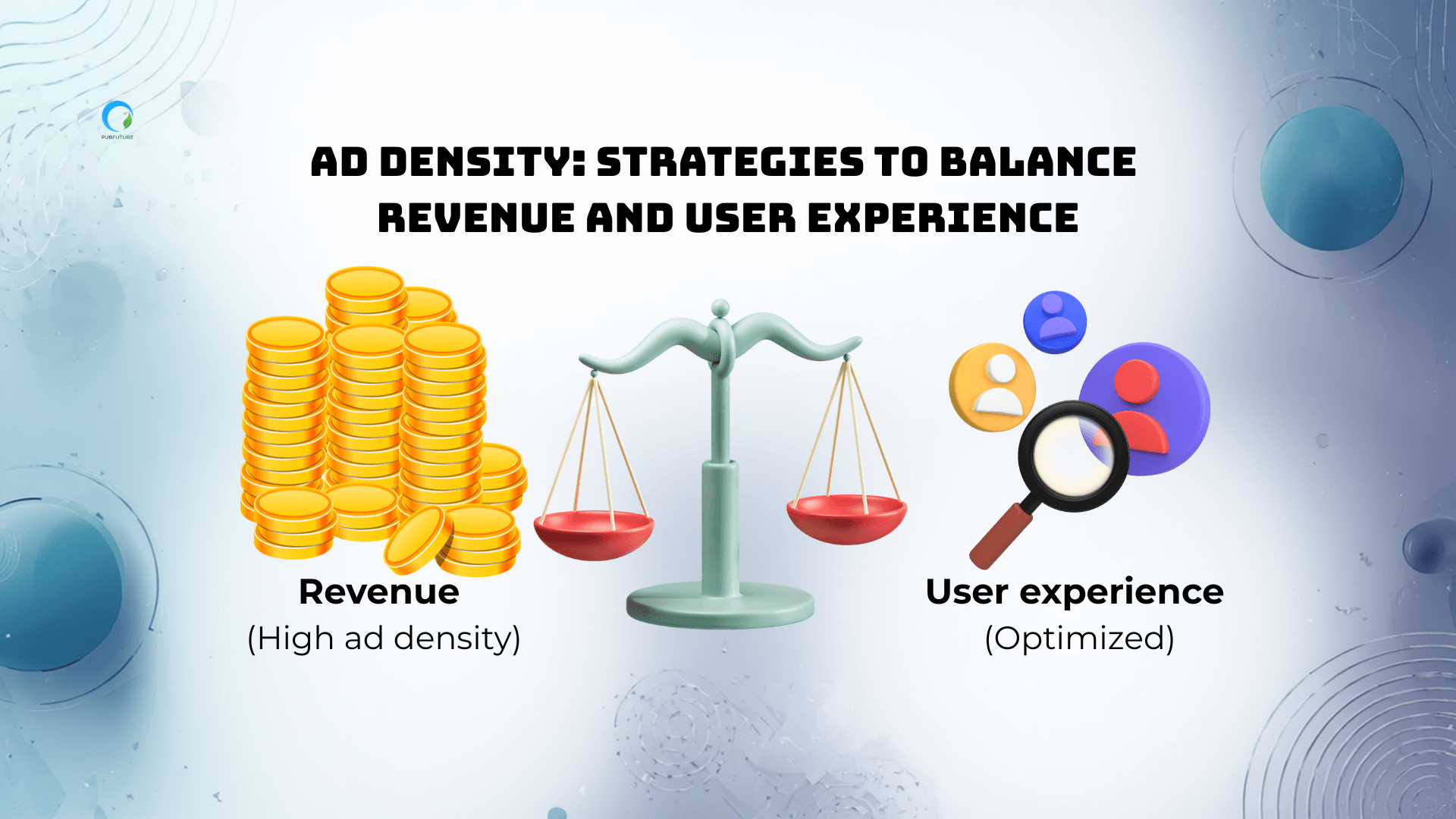
Ad Density: Strategies to Balance Revenue and User Experience

In the high-stakes world of programmatic advertising, publishers often face a polarizing dilemma: How many ads are too many? While it is tempting to believe that more ad units lead to higher revenue, the reality is dictated by a concept known as Ad Density. Managing this metric is no longer just a recommendation—it is a […]

How Publishers Choose the Right Monetization Partner in 2026

In the programmatic advertising ecosystem, choosing the right monetization partner is one of the most important decisions a publisher can make. A monetization partner directly affects revenue stability, user experience, site performance, and long-term growth — not just CPM. A recent discussion on r/adops highlights a common reality for publishers in 2026: More monetization partners […]

DMPs and CDPs Explained: What Publishers Need to Know

In today’s privacy-first, post-cookie advertising ecosystem, data is the real currency. According to Lucent Innovation, by 2029, the worldwide big data analytics market is projected to be valued at more than $650 billion, and 64% of marketing executives “strongly agree” that data-driven marketing is essential.  For publishers, understanding how to collect, manage, and activate audience data is no […]

Header Bidding Comparison: Client-Side vs. Server-Side Explained

Header bidding has become the gold standard for maximizing ad revenue, giving publishers fair competition from all demand sources before sending impressions to the ad server. But as the ecosystem evolves, two main models dominate the conversation: Client-Side Header Bidding (CSHB) and Server-Side Header Bidding (SSHB). Although both aim to increase yield, they work in […]

H5 Monetization: Why Google Deducts & How PubFuture Ensures Stable Revenue

As H5 gaming websites and app-to-H5 traffic continue to grow across Asia, many publishers are searching for reliable monetization strategies. While Google AdSense and Google Ad Manager are often the default choice, H5 publishers are increasingly facing a painful pattern:high estimated earnings at the beginning of the month, followed by heavy invalid traffic (IVT) deductions […]

PAAPI Explained: What It Means for Publishers?

The digital advertising landscape is undergoing a major transformation as privacy becomes a top priority for both users and regulators. With growing concerns over data security, advertisers are seeking privacy-first methods that allow them to maintain effective targeting while respecting user control. As Google phases out third-party cookies in Chrome, publishers and advertisers are being […]

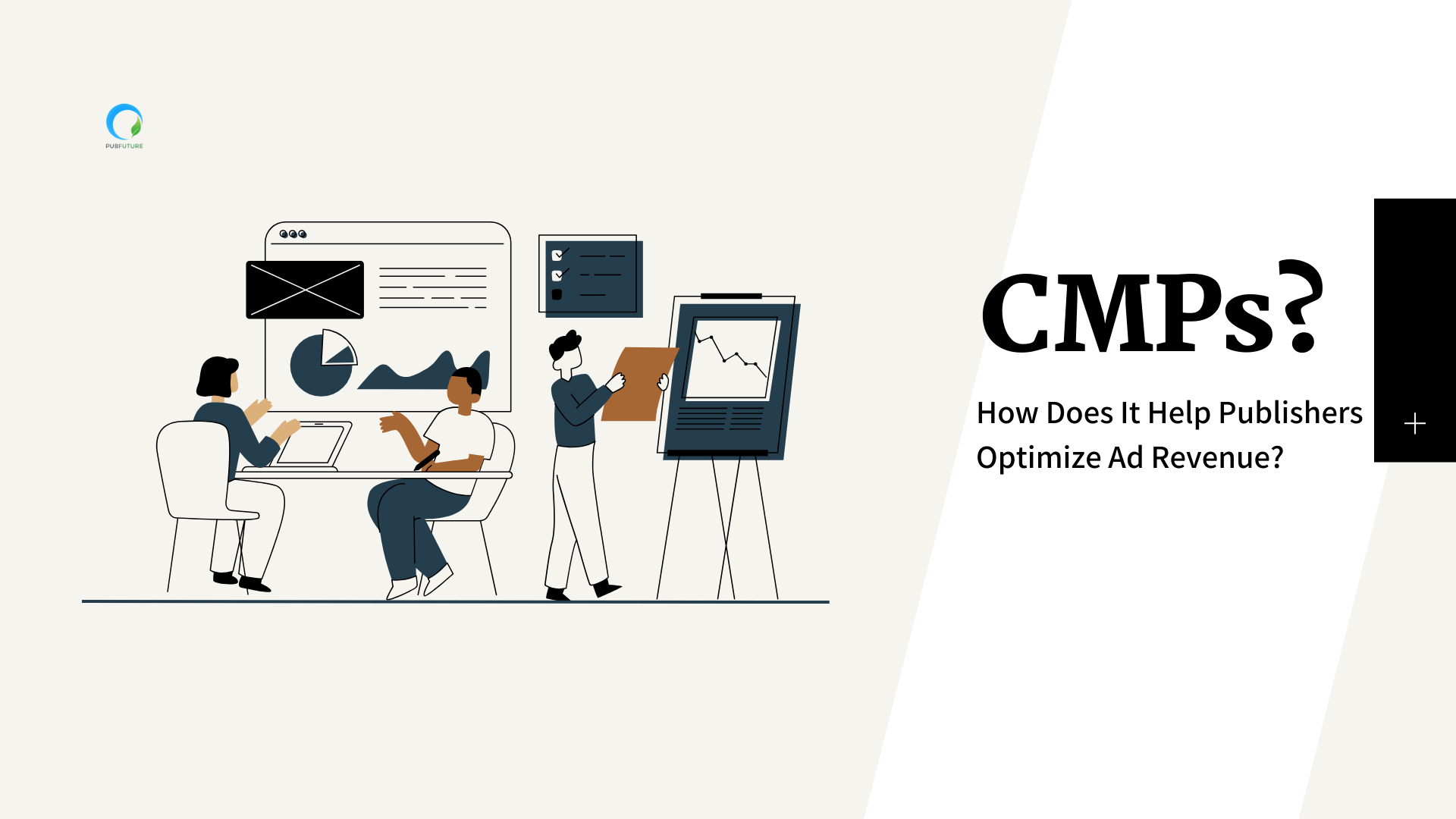
What is CMP? How Does It Help Publishers Optimize Ad Revenue?

In today’s data-driven programmatic ecosystem, Consent Management Platforms (CMPs) have become essential for publishers. With increasing privacy regulations like GDPR and CCPA, publishers need reliable solutions to collect, manage, and transmit user consent. A well-implemented CMP not only ensures compliance but also helps publishers optimize their ad revenue by building trust with advertisers and enabling […]

SPO & Brand Safety for Publishers: Boost Revenue Safely

Programmatic advertising has made it easier than ever for publishers to monetize their content. But with those opportunities come risks: low-value demand paths, ad clutter, slow page loads, and even harmful or misleading ads. As demand partners multiply, Supply Path Optimization (SPO) and Brand Safety have become two critical pillars to ensure your site earns […]

First-Party Data? A Comprehensive Guide for Publishers in 2025

Third-party cookies are quickly becoming a thing of the past as major browsers like Chrome, Safari, and Firefox phase them out to prioritize user privacy. This shift marks a fundamental change in how advertisers track and target users across the web. For publishers, it means losing access to one of the most commonly used tools […]

The Significance of Sellers.json: What Publishers Need to Know

The automation of online ad buying and selling makes programmatic advertising highly convenient, yet this very efficiency can increase the risk of scams. According to fraudlogix.com, a global dataset of 152 countries and the rate of online fraud that occurred in 2024. On average, 18.31%, nearly one-fifth of digital ad interactions worldwide, may be fraudulent. […]