


Table of Contents
In the dynamic realm of digital marketing, programmatic advertising has become a vital approach for publishers aiming to enhance their revenue capabilities. At the core of this sector is the Programmatic Advertiser, who must possess a thorough understanding of the technologies and processes that underpin effective advertising campaigns. This article will examine the complexities of the contemporary programmatic advertising framework, highlighting how premium publishers can adeptly utilize various strategies, including Ad Monetization, Yield Management, Header Bidding, Ad Operations (AdOps), and Supply Path Optimization, to refine their advertising initiatives.
Comprehending the Programmatic Advertising Ecosystem
Programmatic advertising revolutionizes the method by which advertisers engage with their target demographics by leveraging automated technology for real-time transactions of ad spaces. Publishers now benefit from advanced tools that facilitate efficient connections with Programmatic Advertisers. By harnessing data-driven insights and sophisticated algorithms, both parties can make informed choices regarding ad placements, budget management, and overarching strategies to ensure optimal performance.
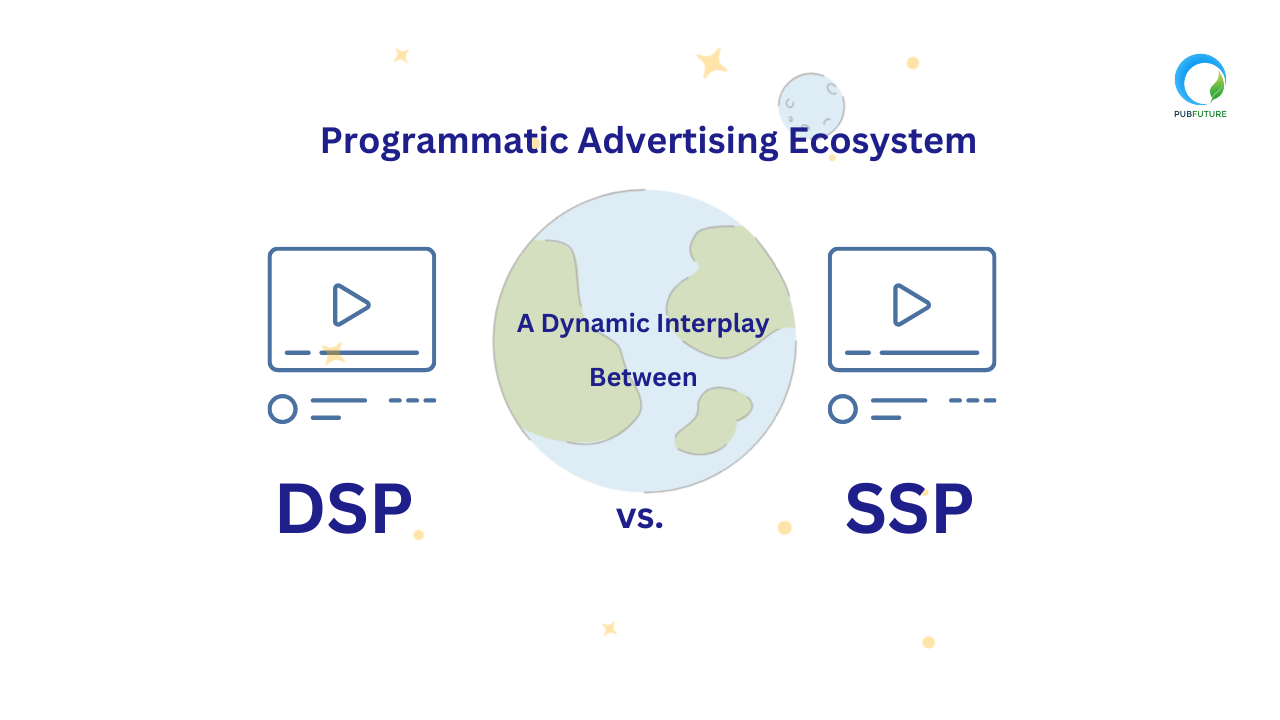
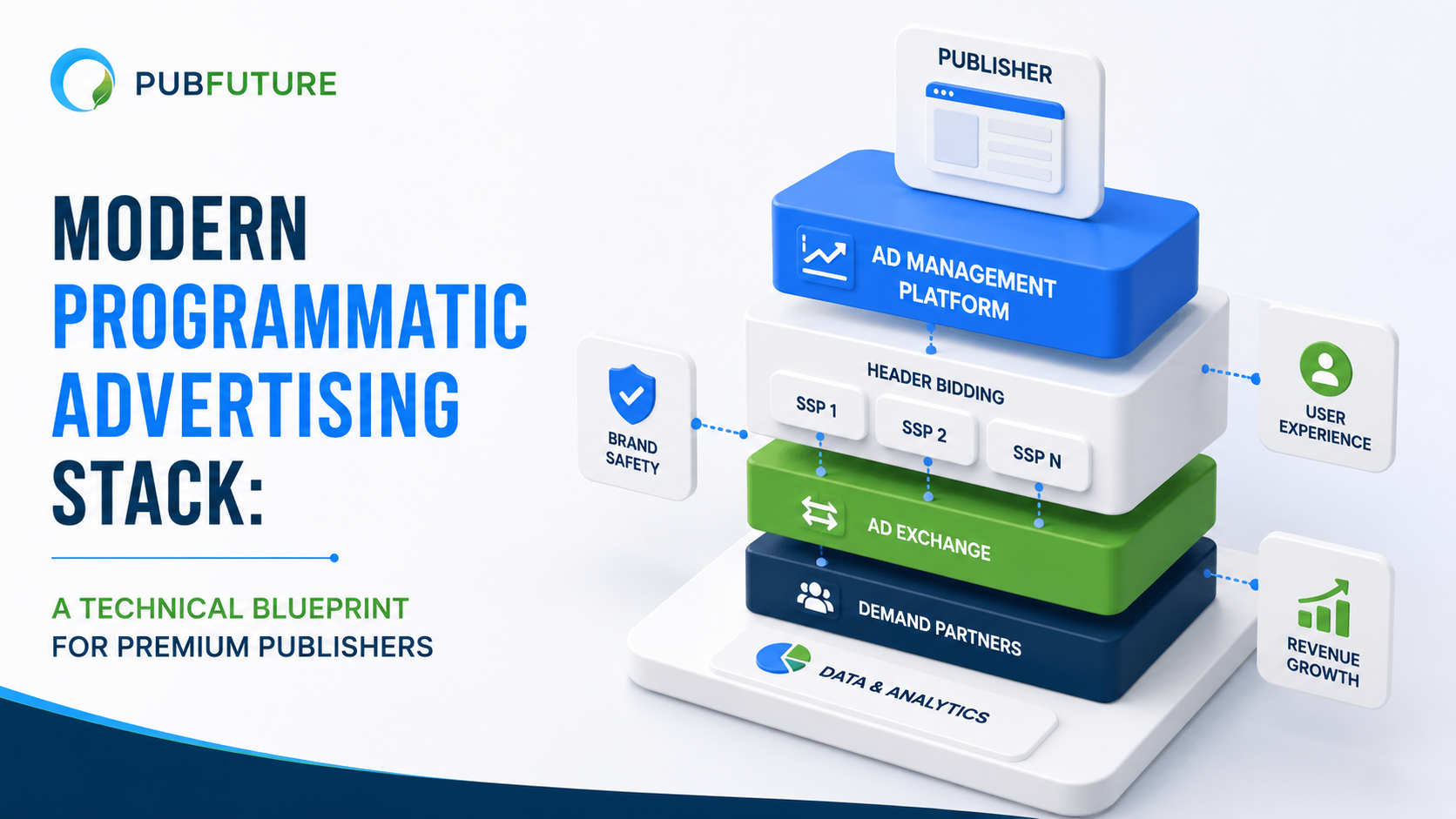
As the digital advertising landscape advances, the intricacy of programmatic systems increases. The modern advertising technology stack comprises various elements, including Demand-Side Platforms (DSPs), Supply-Side Platforms (SSPs), ad exchanges, and data management platforms (DMPs). Programmatic Advertisers depend on these interconnected frameworks to locate and acquire ad inventory across numerous channels, such as desktop, mobile, and connected TV. For premium publishers, mastering these technologies is not just advantageous—it is crucial for maintaining a competitive edge.
The Significance of Header Bidding in Yield Management
One pivotal component of the programmatic advertising architecture is header bidding. This groundbreaking approach allows multiple demand sources to compete for ad inventory simultaneously, rather than sequentially, leading to increased prices for publishers and heightened competition among advertisers. By adopting header bidding, premium publishers can optimize their Yield Management practices, ensuring maximum returns on their advertising spaces.
Header bidding enhances understanding of diverse revenue channels and provides critical insights into the performance of different ad placements. With this data, publishers can negotiate more effectively with Programmatic Advertisers, resulting in higher CPMs (cost per thousand impressions) and improved profitability. As the demand for transparency and efficiency in ad operations escalates, header bidding has emerged as a transformative tool for premium publishers aiming to fully capitalize on their digital advertising opportunities.
Streamlining Supply Path Optimization for Enhanced Efficiency
With the expansion of the programmatic sector, the blending of various trading methodologies—direct, programmatic direct, and open exchanges—adds complexity to the purchasing process. Supply Path Optimization (SPO) is a vital approach for both publishers and Programmatic Advertisers, concentrating on identifying the most efficient routes for acquiring ad inventory while minimizing unnecessary intermediaries. By refining this supply chain, premium publishers can enhance their operations and elevate the quality of advertisements displayed on their platforms.
An effective SPO strategy allows advertisers to interact with reputable sources while ensuring premium publishers retain their influence over the ad transactions. This practice builds trust between publishers and Programmatic Advertisers by underscoring transparency in the value exchange. Ultimately, an optimized supply path leads to improved targeting and higher-quality ad placements, which resonate more strongly with consumers—an essential factor for long-lasting advertising success.
The Critical Role of Ad Operations (AdOps) in Maximizing Revenue
Efficient programmatic advertising hinges on robust Ad Operations (AdOps), which form the foundation for smooth execution and management. AdOps teams are instrumental in ensuring that publishers can effectively oversee their ad inventory while tracking campaign performance in real time. These specialists evaluate data, troubleshoot obstacles, and develop strategies that enhance Ad Monetization.
Successful AdOps necessitate a blend of technical know-how and strategic insight. Premium publishers must work closely with their AdOps teams to ensure technological systems align with their broader business goals. This collaboration drives innovation and generates solutions that optimize yield and efficiency, ultimately resulting in improved returns from Programmatic Advertisers.
Innovative Insights and Future Directions for Programmatic Advertising
As the digital ecosystem progresses, it is crucial for premium publishers to remain ahead by adopting emerging technologies and innovative advertising techniques. This includes the integration of artificial intelligence (AI) and machine learning into programmatic advertising, which offers substantial potential. These technologies can yield deeper insights into audience behaviors and preferences, facilitating more accurate targeting and personalized ad experiences.
Moreover, with growing consumer privacy regulations, publishers must emphasize transparency in their advertising practices. Such a focus will cultivate trust with users and ensure a sustainable business model over time. By balancing audience data privacy with efficient programmatic strategies, premium publishers can position themselves as leaders in the rapidly changing landscape, attracting high-caliber Programmatic Advertisers.
Conclusion
The contemporary programmatic advertising stack offers premium publishers a complex array of opportunities and challenges. By strategically employing techniques such as header bidding, yield management, supply path optimization, and robust AdOps, publishers can adeptly navigate this multifaceted environment. Additionally, innovative technological approaches and adherence to privacy regulations will be crucial for achieving long-term success, ensuring that premium publishers attract and retain valuable collaborations with Programmatic Advertisers for optimal revenue generation. Through these initiatives, the future of programmatic advertising will become a sustainable, innovative, and profitable endeavor for all parties involved.